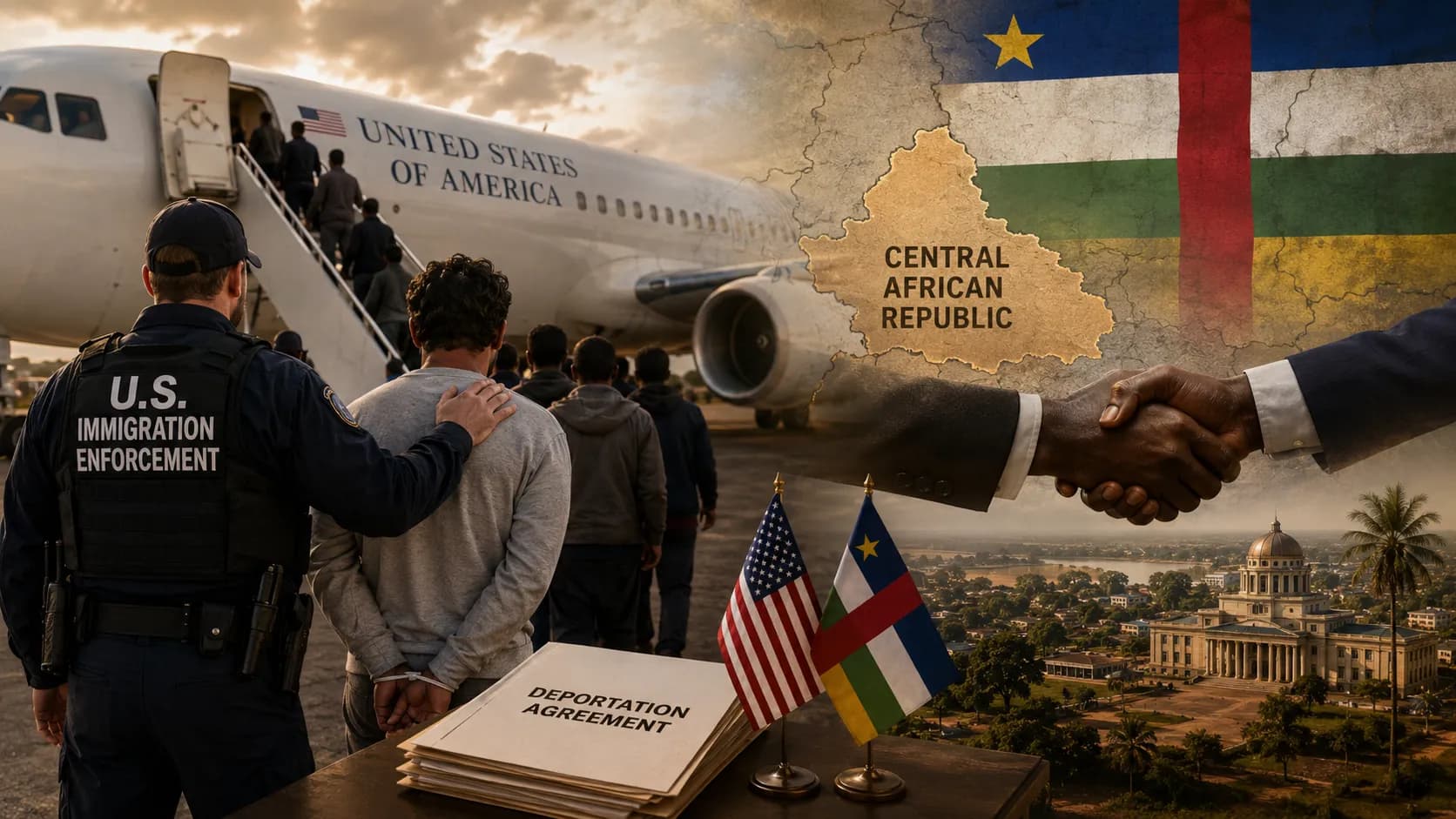
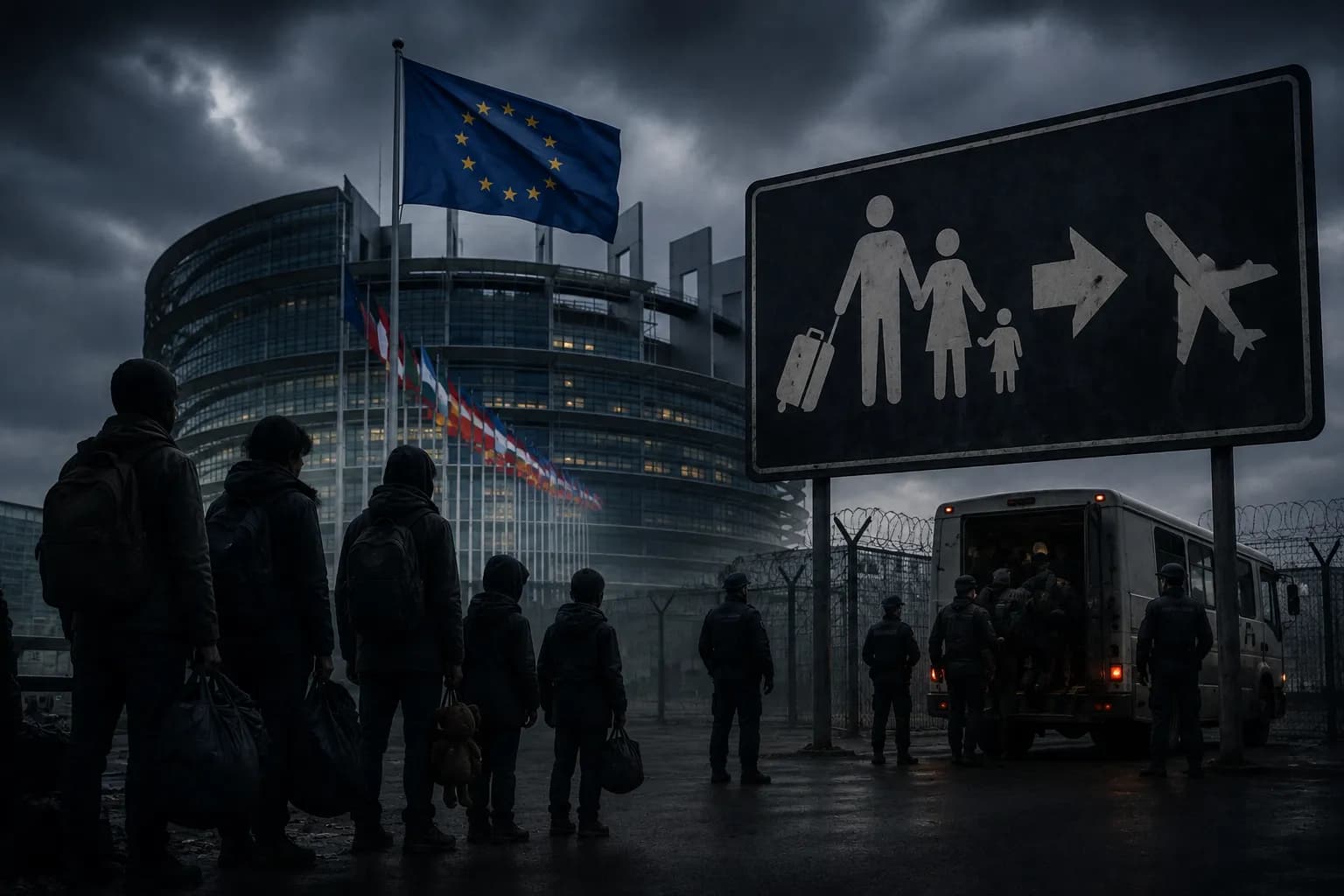
The Central African Republic has agreed to accept third-country deportees from the US under a deal struck in Bangui in May. The arrangement, part of Trump’s broader African deportation network, raises urgent legal and human rights concerns over due process and international protection law.
Pope Leo drew 1.2 million faithful to Madrid’s Cibeles Square, delivering a powerful Mass urging Catholics to serve the poor. Declaring that God “identifies with the forsaken,” he called for inclusive cities and respect for migrants during his historic first EU visit outside Italy.
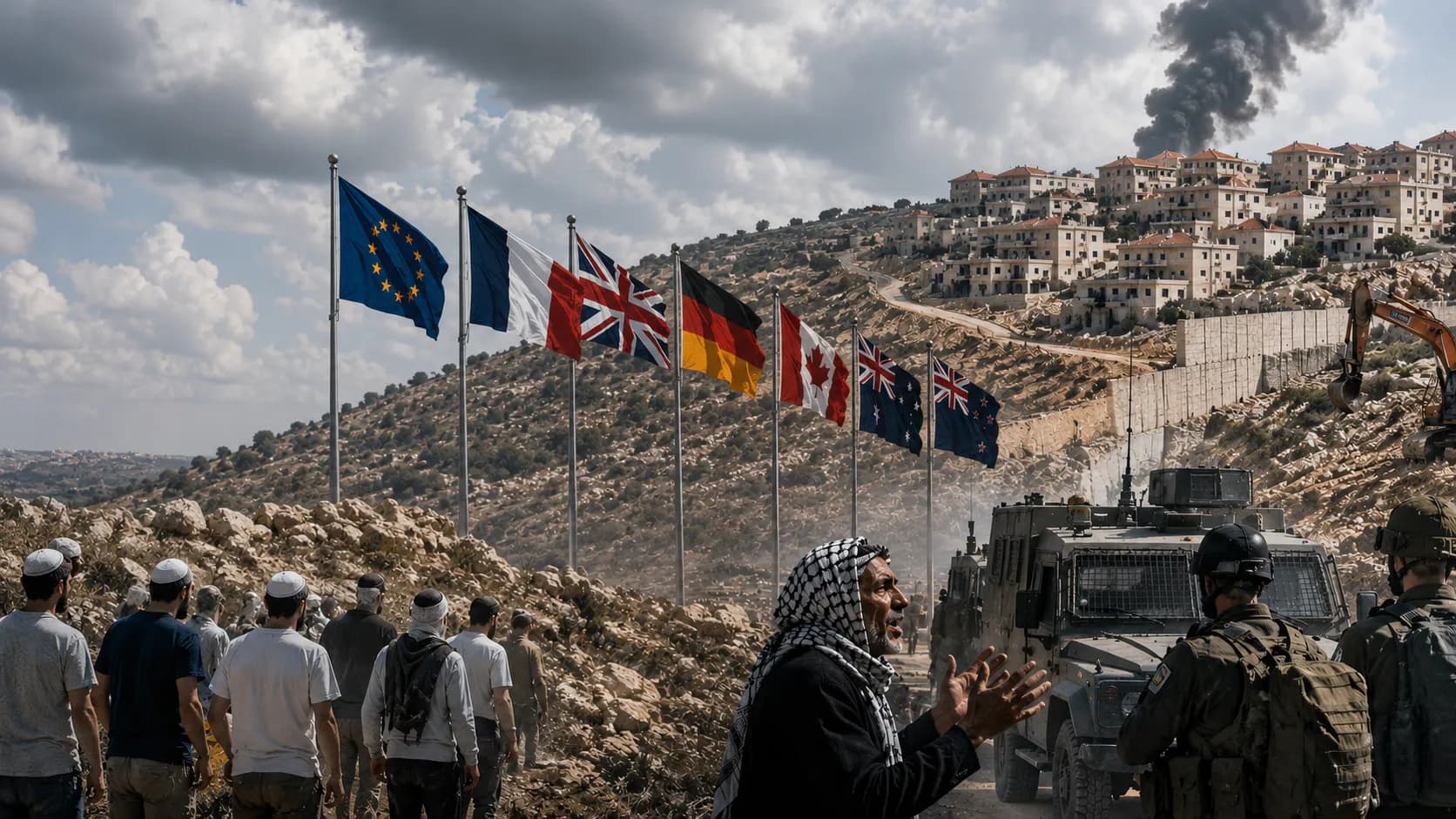
France’s Foreign Minister warns that new sanctions targeting Israeli settlers and their supporters could land within days, as Western nations unite in condemning the surge of violence and illegal settlement expansion across the occupied West Bank.
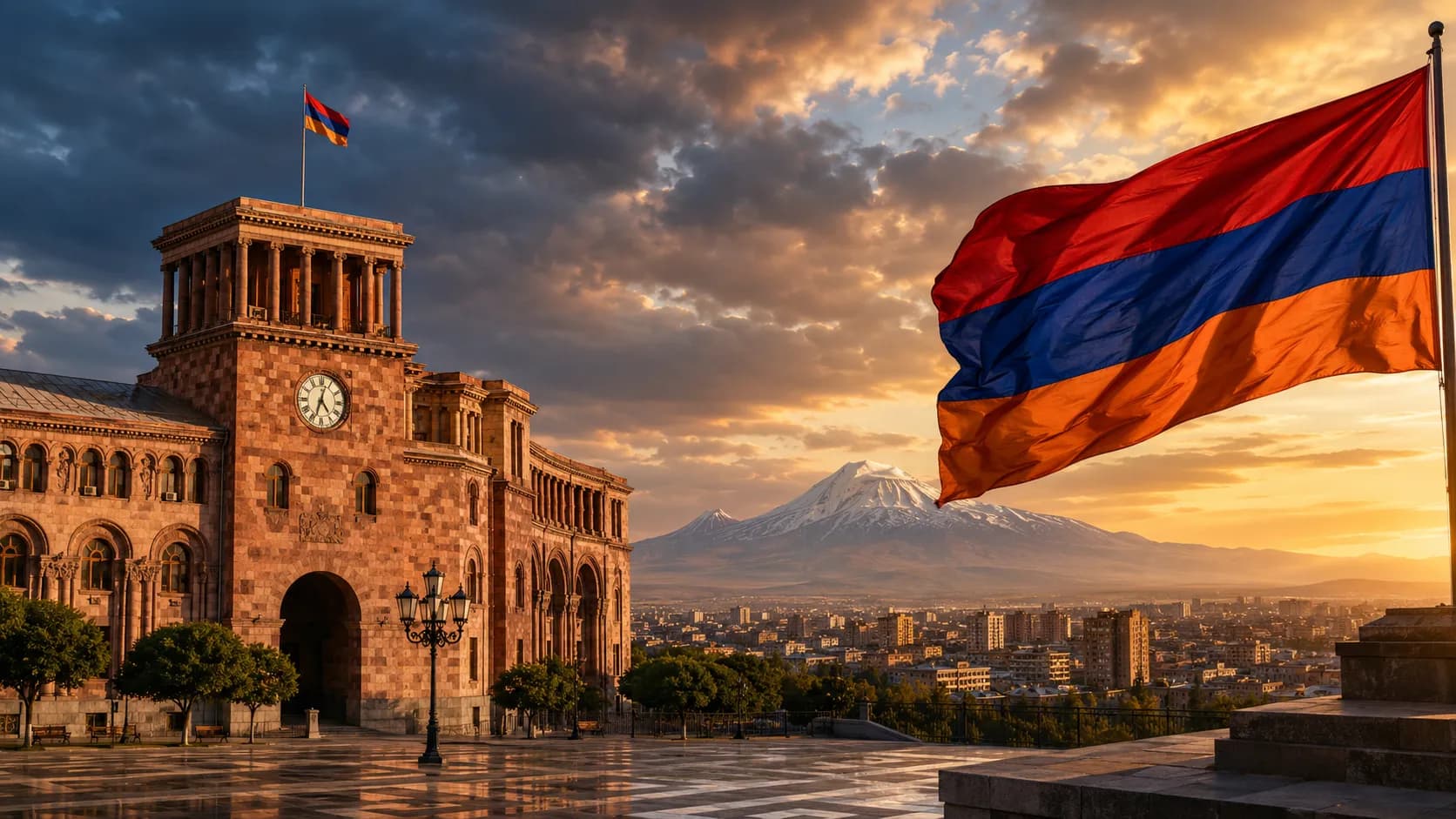
Armenia’s parliamentary election tests PM Pashinyan’s pro-European pivot as his Civil Contract party faces pro-Russian opposition. With peace with Azerbaijan, democratic integrity, and ties to Moscow all on the line, Armenians cast votes that could reshape the country’s future.
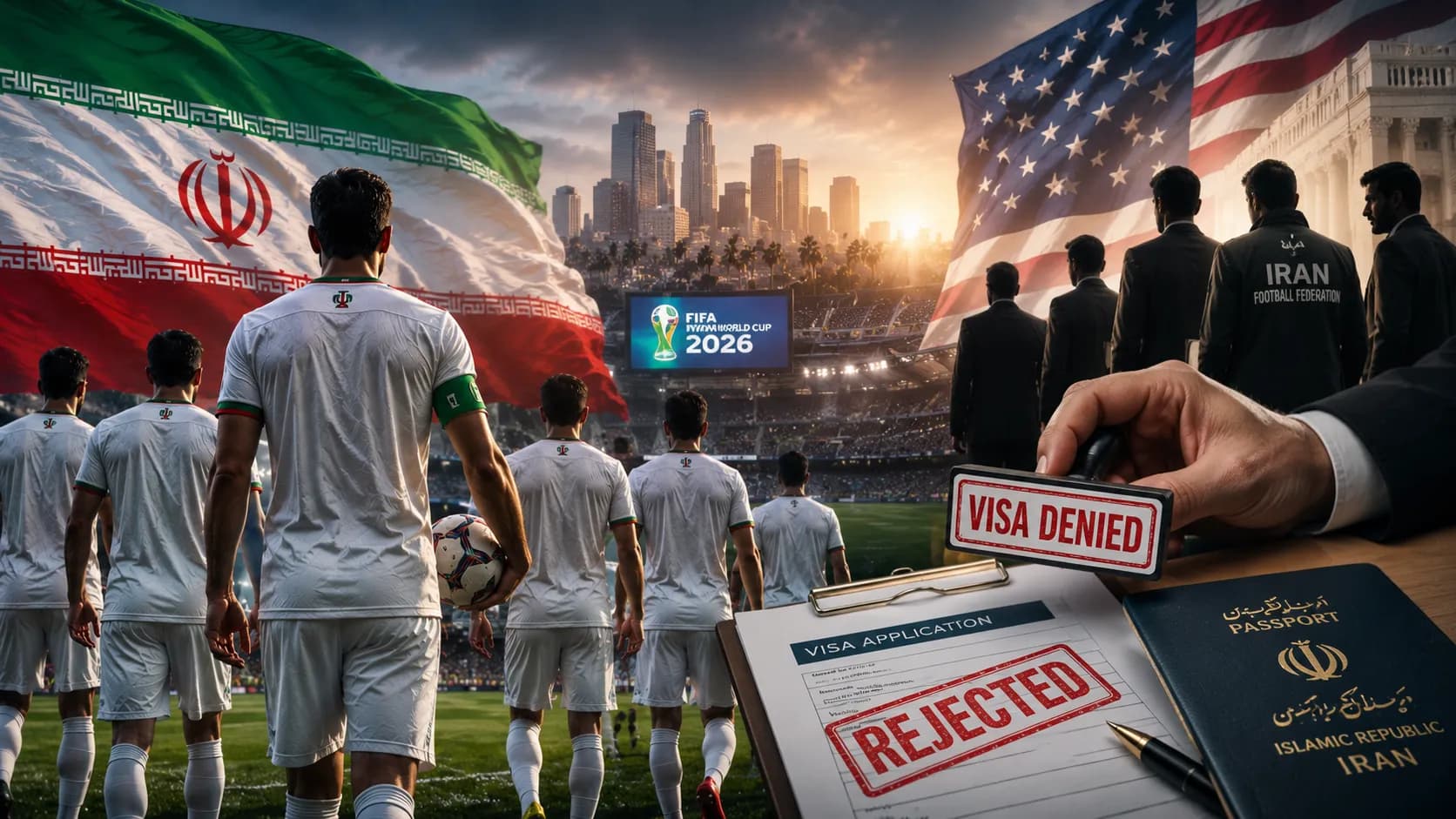
Iran has accused the United States of denying visas to several key members of its World Cup delegation despite approving entry for players and essential staff. Tehran called the move discriminatory and urged FIFA to intervene, while US officials cited security and immigration requirements.
Iran's World Cup players have received U.S. visas ahead of their opening match in Los Angeles, according to a U.S. official. However, reports indicate some administrative staff members are still awaiting approval, leaving parts of the delegation facing travel uncertainty.
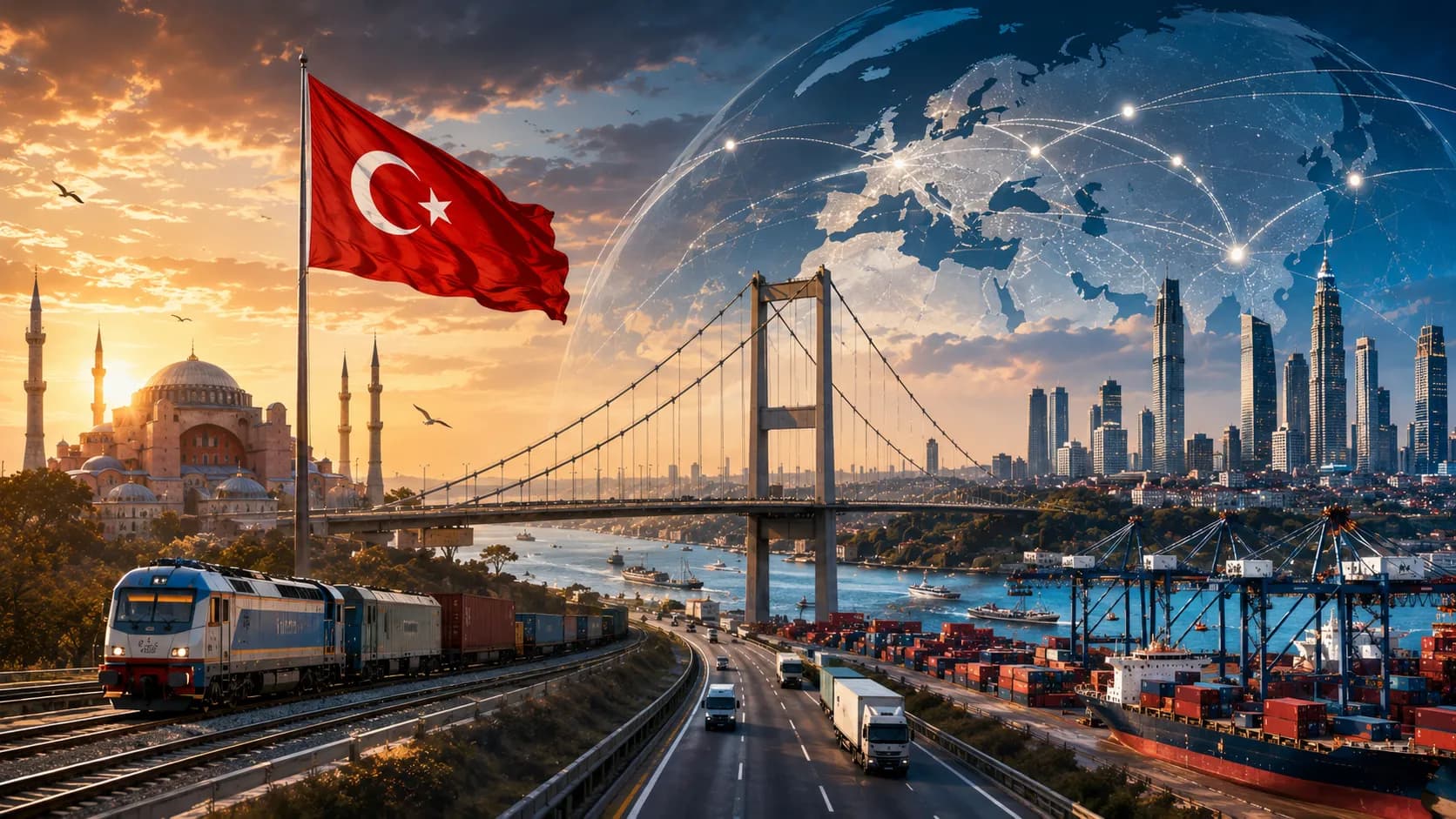
Türkiye is enhancing its strategic position as a bridge between Asia and Europe by expanding cooperation in trade, energy corridors, and diplomacy. Initiatives like the Middle Corridor and growing ties with Asian partners highlight its role as a multidimensional actor in the global system.
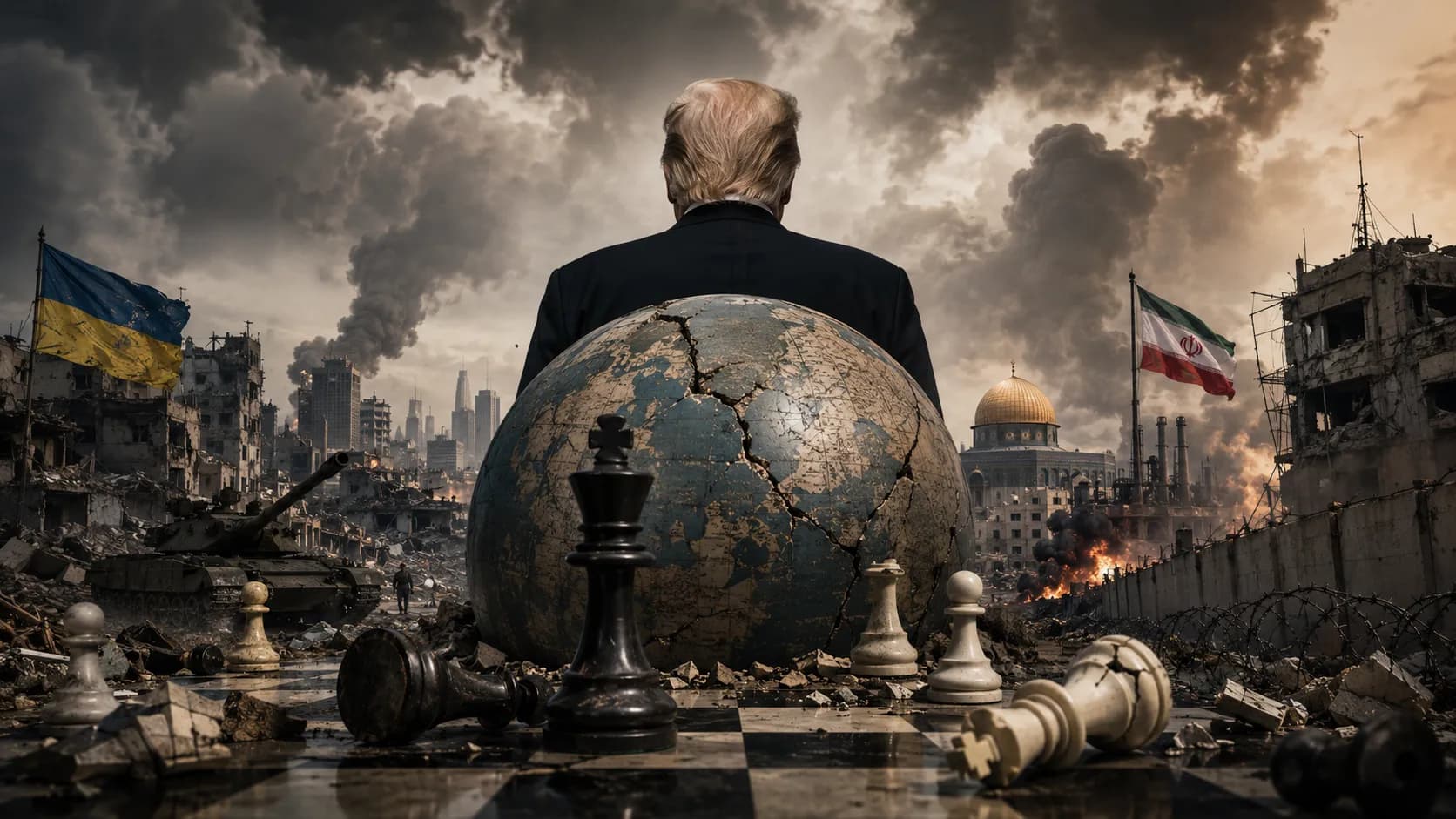
Trump’s foreign policy was driven by TV-style big promises and quick fixes. He failed to produce lasting results in Ukraine, Gaza, and Iran because he treated diplomacy as personal pressure and announcements rather than structured, institutional negotiation processes.
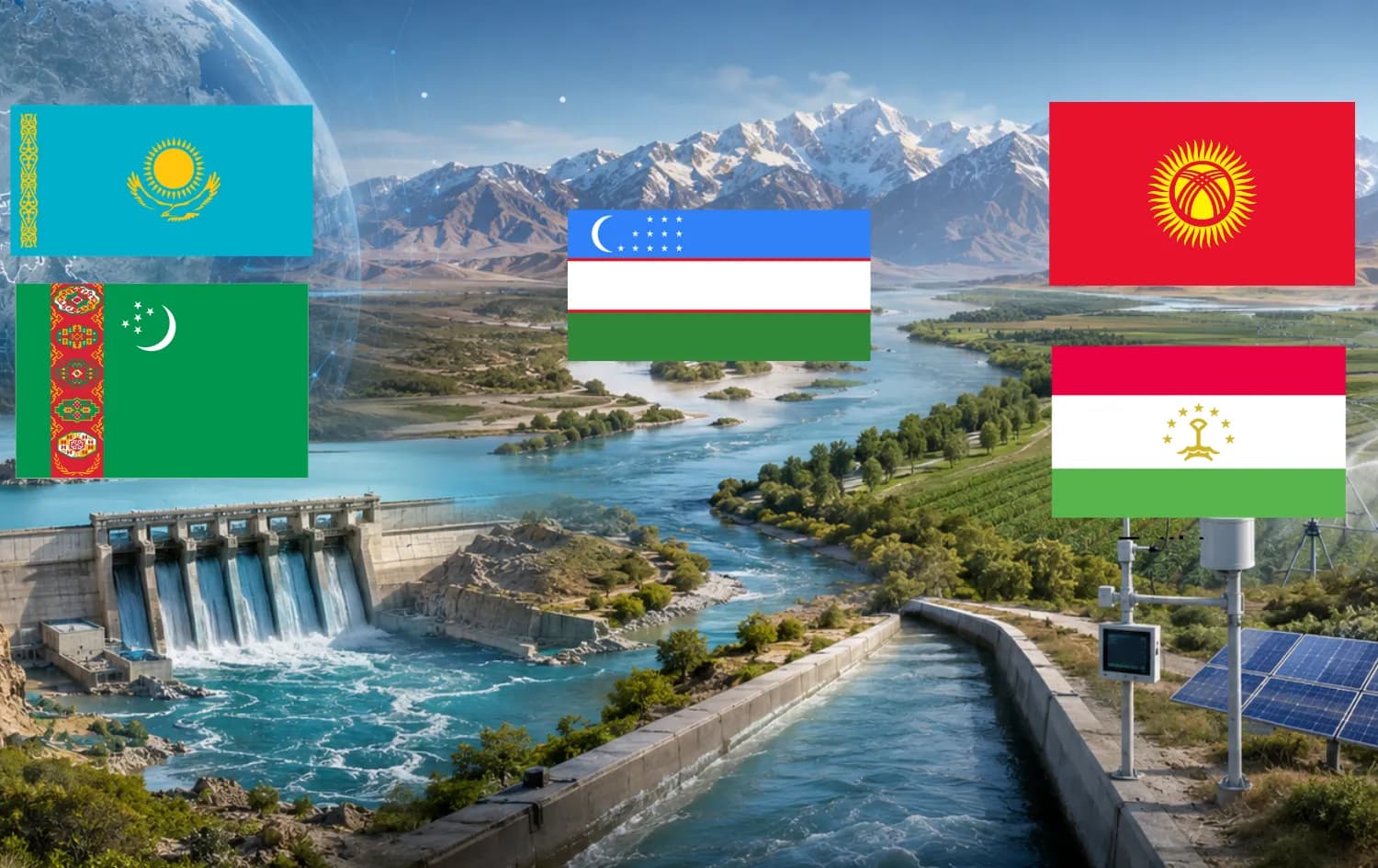
This article analyzes the environmental, economic, and geopolitical processes related to the use of water resources in Central Asia. It examines the transboundary nature of the Amu Darya and Syr Darya river basins, the ecological crisis of the Aral Sea, the Qoshtepa Canal project in Afghanistan, as well as regional conflicts associated with the Rogun and Kambarata hydropower plants. Additionally, the study considers the risks arising from climate change and the imbalance in water resource usage. The research also highlights the role of innovative technologies and international cooperation in improving water resource management.
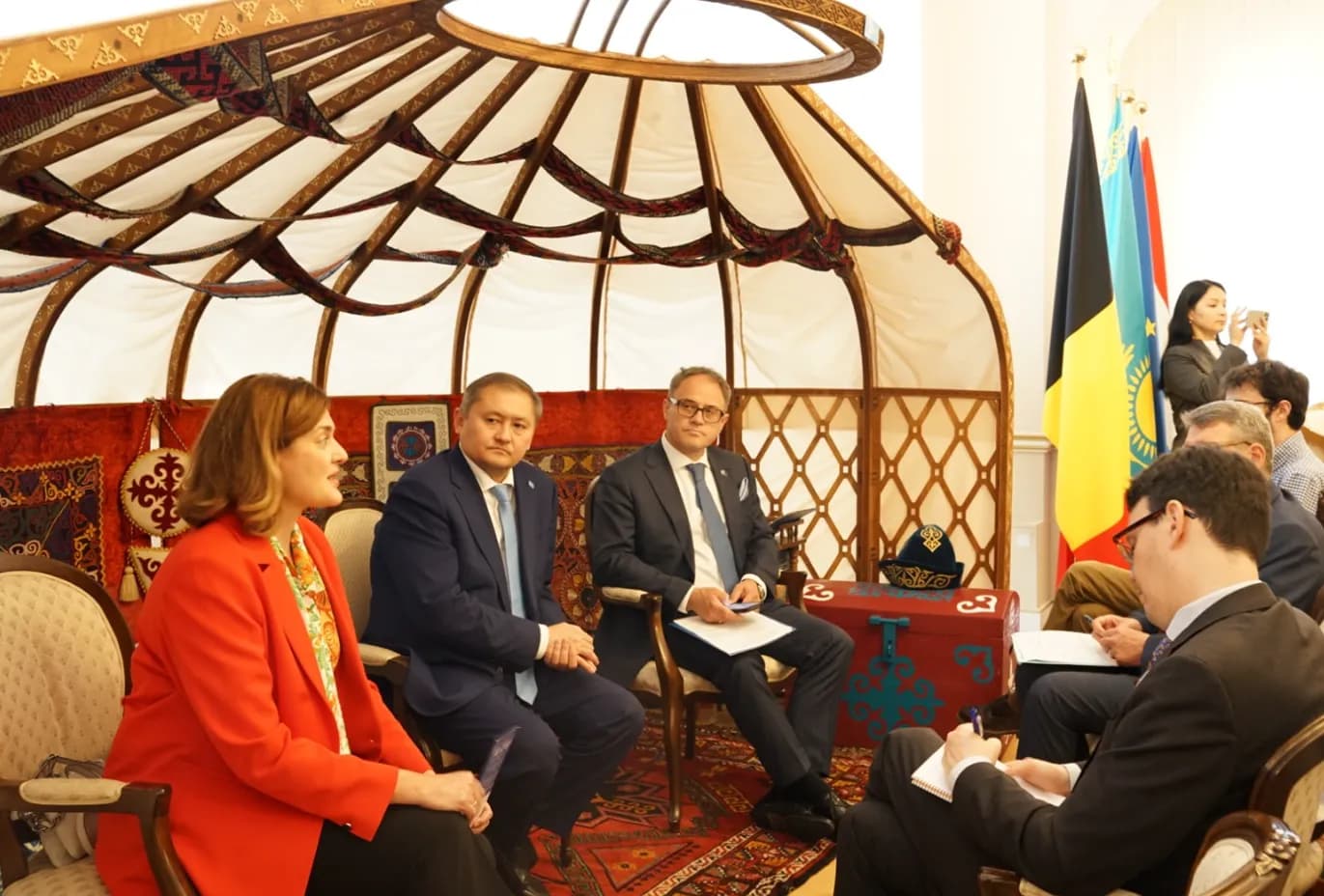
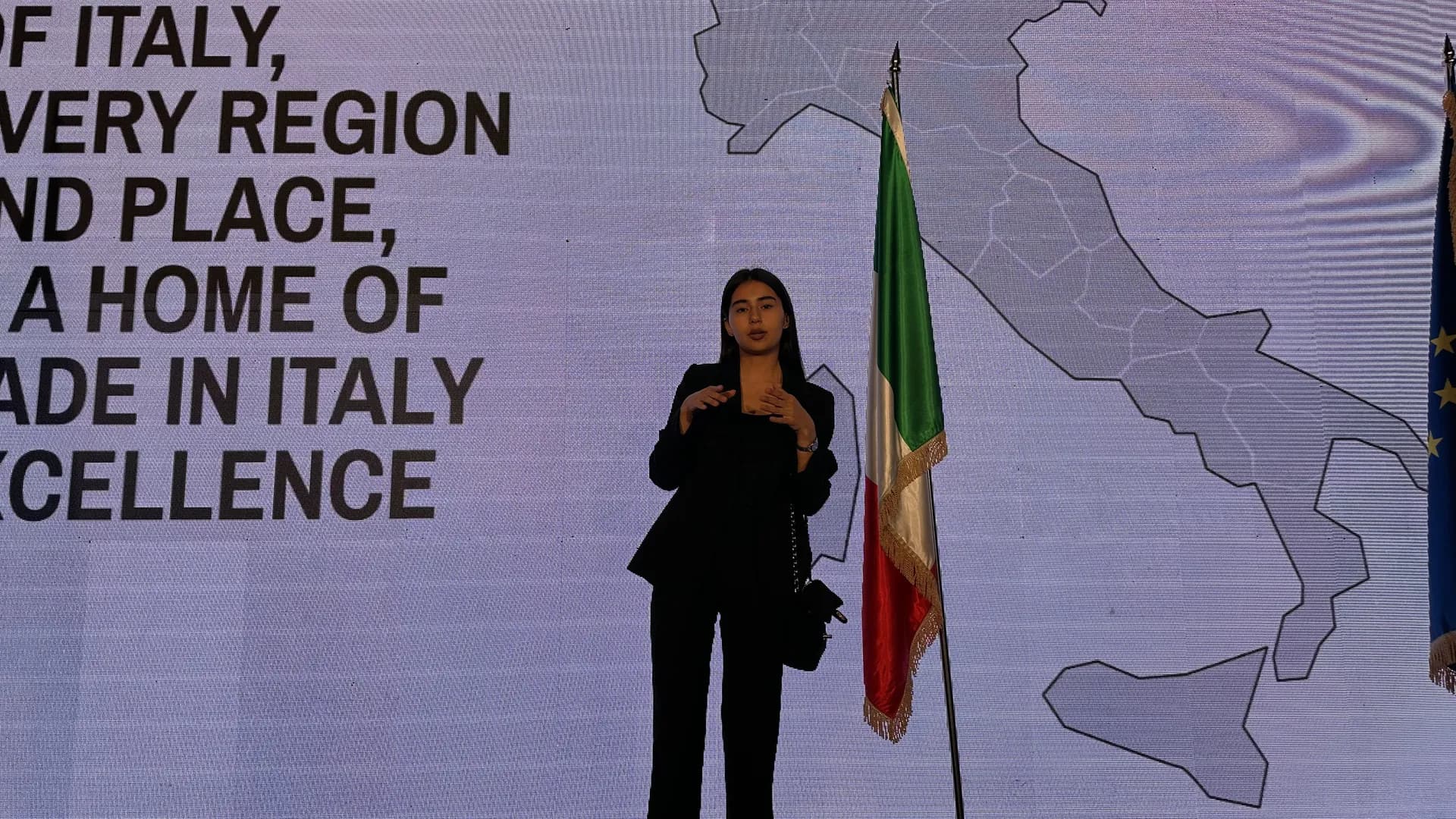
A reception marking Italian National Day was held in Tashkent, bringing together diplomats, officials, and business leaders. Hosted by Ambassador Guido De Sanctis, the event highlighted the growing political, economic, and cultural partnership between Italy and Uzbekistan.
Technology has become a core source of power and sovereignty in modern geopolitics. Tech sovereignty refers to a nation’s independent control over data, AI, and digital infrastructure. Its absence creates security and economic risks, while states respond through digital borders, local ecosystems, and strategic investments.
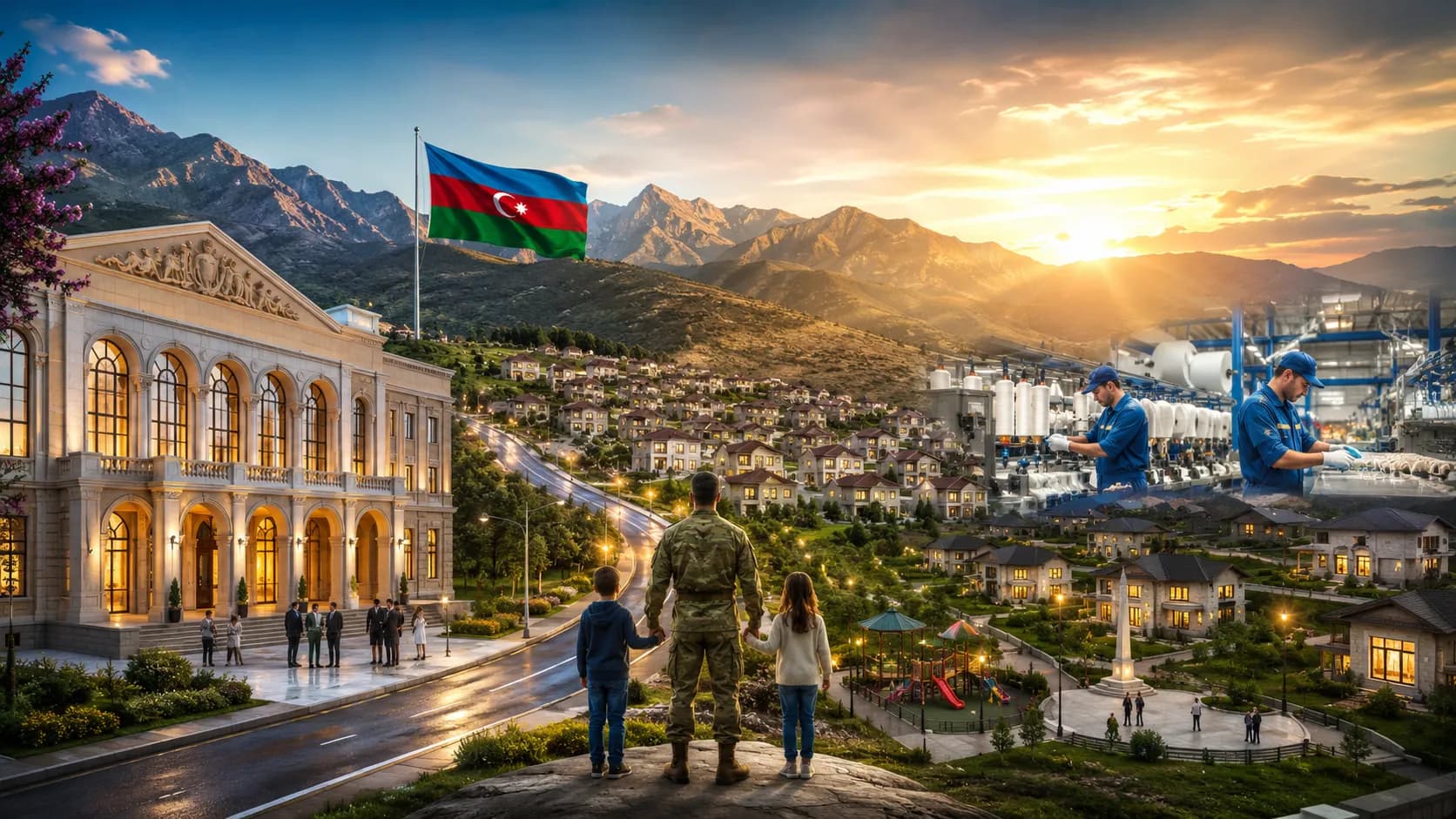
President Ilham Aliyev a visionary leader with a powerful official visit to the liberated Garabagh region on 28 May 2026 – a date forever etched in Azerbaijani history as both Independence Day and Eid al-Adha. It was no ordinary journey, but a triumphant statement of Azerbaijan’s indomitable spirit, its strategic acumen, and its steadfast dedication to building liberated territories into symbols of modernity and prosperity.
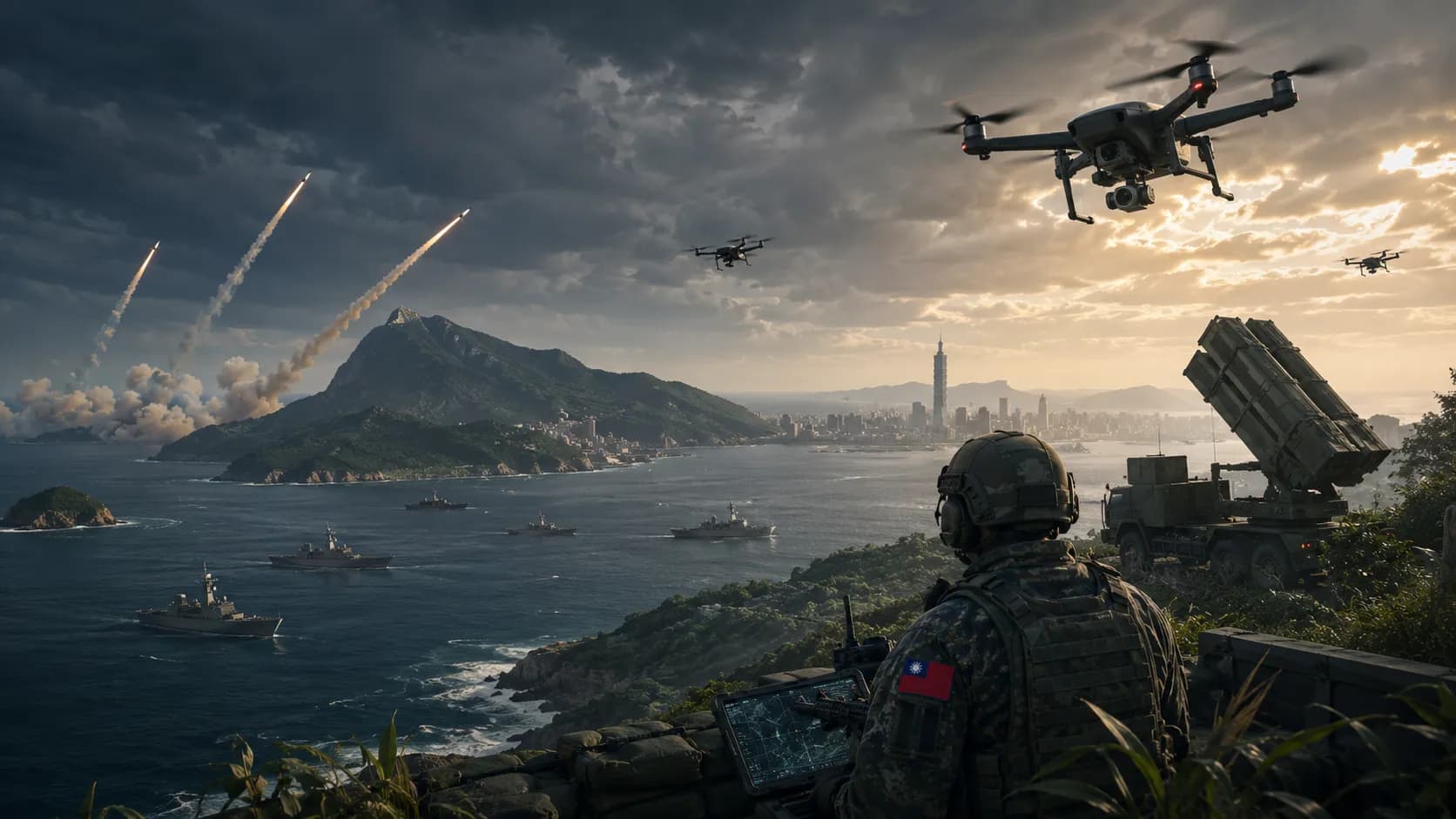
A pause in U.S. arms sales to Taiwan is pushing the island toward self-reliance and asymmetric defense — drones, mobile missiles, and indigenous production — though gaps in air defense coverage and institutional inertia remain major hurdles on the road to full strategic autonomy.
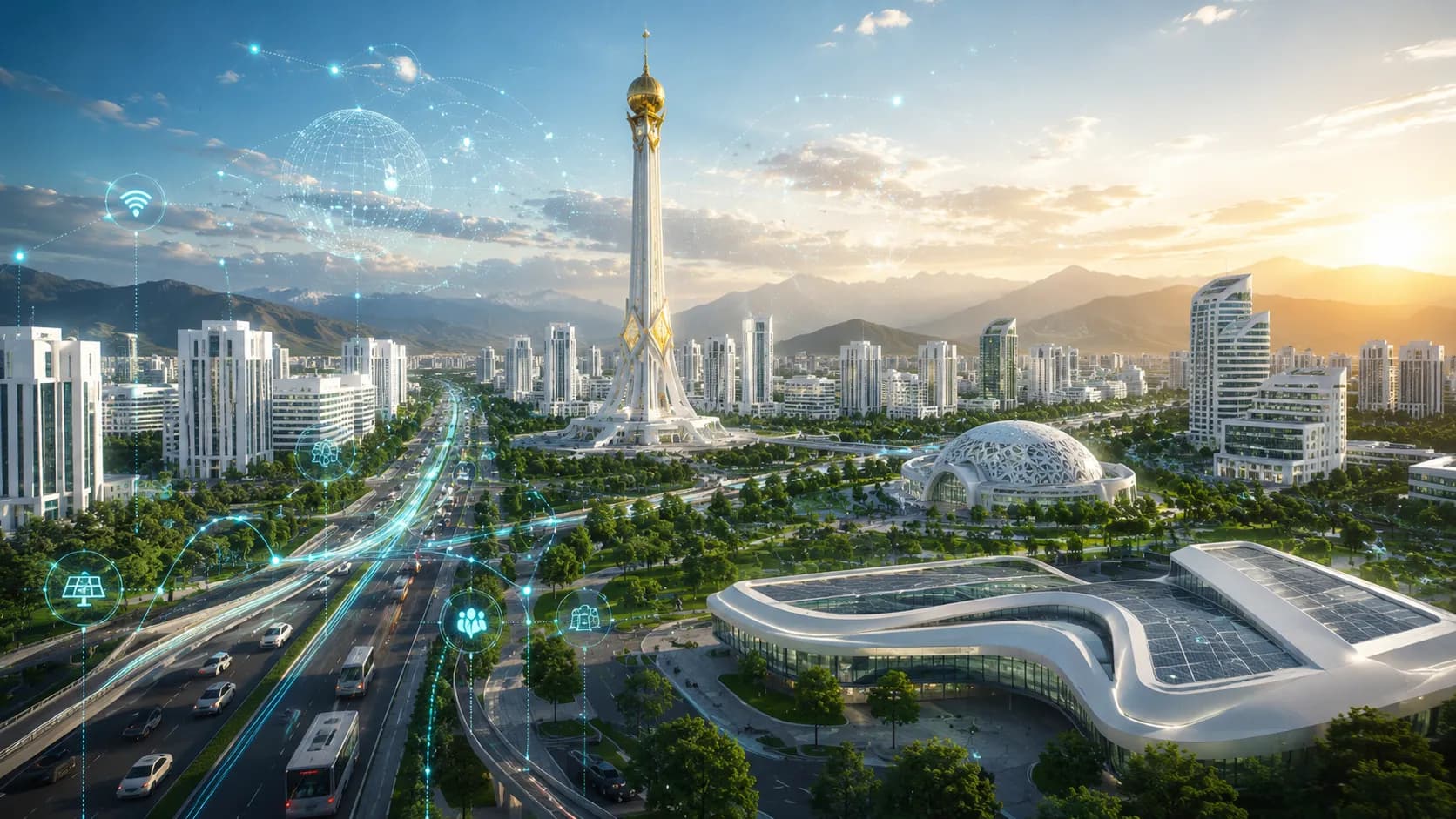
Ashgabat 2045 is a long-term strategy to transform Turkmenistan’s capital through smart city technologies, digital governance, infrastructure modernization, and international cooperation. The framework seeks to improve urban management, sustainability, and regional connectivity.
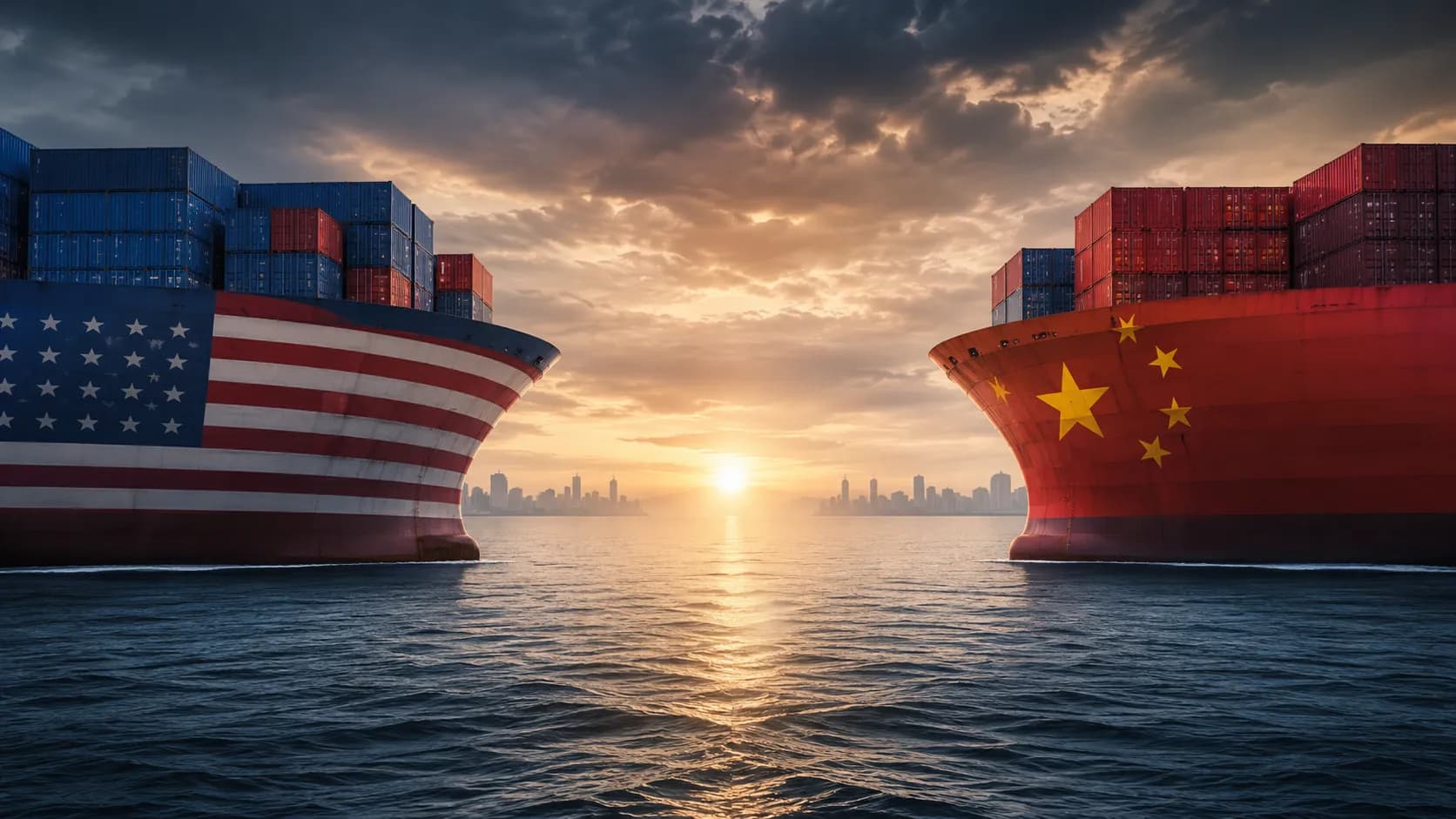
The US-China relationship combines strategic competition with deep economic interdependence. While tensions over technology, security, and Taiwan persist, economic ties, military communication, and selective cooperation on global issues help prevent rivalry from escalating into conflict.