The European Commission has recently proposed the creation of a 'military Schengen zone' to drastically improve the speed and efficiency of moving military personnel and equipment within the EU. This initiative aims to remove existing barriers, harmonize procedures, and foster a secure, responsive defense network that can quickly react in times of crisis.
Uzbekistan’s “New Uzbekistan” reform agenda has reshaped the country’s foreign policy into a more open, cooperative, and people-focused model. Relations with Central Asian neighbors have improved significantly, global partnerships have expanded through a balanced multi-vector approach, and Uzbekistan now plays a more active role in international organizations. Economic reforms, new trade routes, and cultural diplomacy have strengthened its global presence. Overall, Uzbekistan has emerged as a more confident, stable, and respected actor committed to peace, development, and regional cooperation.
The paper analyzes Muhammad Ali Pasha’s poem “About Flag and Coat of Arms of Indonesia” from his collection Romantic Whispers of the Archipelago. It argues that the poem uses metaphor, imagery, and symbolism to explore how Indonesia’s national symbols—the flag (Sang Merah Putih) and the Garuda Pancasila emblem—shape cultural memory and national identity. By linking the symbols to their historical origins, mythological roots, and the philosophical principles of Pancasila, the poem portrays them as living embodiments of unity, struggle, and collective ideals. The analysis situates Pasha’s work within poetic nationalism, showing how literature reinforces shared identity by transforming symbols into carriers of history, values, and cultural continuity.
Türkiye and Australia are locked in a high-stakes contest to host COP31, the United Nations’ major climate summit set for 2026. In recent developments, Australia’s Prime Minister Anthony Albanese announced that his country would not block a successful Turkish bid, even as both countries refuse to withdraw their own candidacies. This diplomatic standoff has drawn global attention amid fears of division at a time the world seeks unity on climate action.
Ali Sher Navai, an outstanding representative of the Oriental Renaissance, has become an eternal emblem of identity of the cultural, intellectual and aversive progress of the Turkic peoples. All his contributions have gone towards molding the world civilization through call for humanism, culture and language especially through his numerous and diversified writing. Studying Navai’s life and work shows the range of extent to which he impacted literature, language, and humanist culture and his performances as a reformer, poet, and statesman.
The article explains that Pasha’s poem contrasts earthly power with the untouchable forces of truth, freedom, breath, and memory. While tyrants can control land, they cannot rule the air or suppress the spirit. Drawing on philosophical ideas, the poem shows that suffering and silence still point to a deeper truth, and that justice will always rise despite oppression.
While the world is still debating climate commitments and the pace of transformation, China is taking action on a large scale, decisively and without compromise. It is demonstrating that sustainability is not a luxury for developed countries, but the foundation for growth, security, and international cooperation.
Karakalpak literature is a mirror and a flame. It remembers what history forgets. It sings when voices are silenced. From Berdaq’s battle cries to Toleubike’s tears, from the zhyrau’s ballads to the whispers of modern poets, Karakalpak cultural expression is not merely survival—it is resistance, identity, and beauty distilled through centuries.
Why should we visit Guldursun-Kala in Karakalpakstan, Uzbekistan? Hidden in the windswept plains just 9 kilometers north of Turtkul lies a forgotten titan of history — the awe-inspiring fortress of Guldursun-Kala.
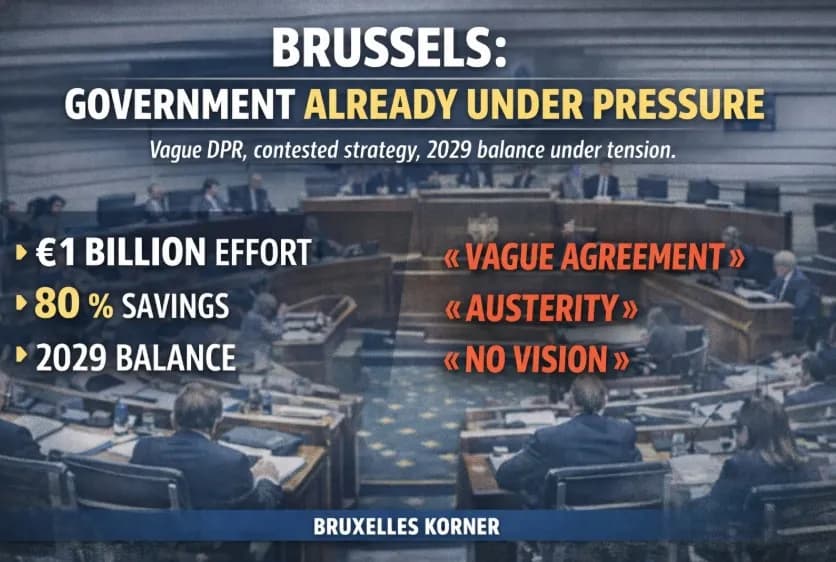
For months, the Region has been sinking, suffocated by the total incapacity of political parties to form a government. And while deadlines pile up, collapse, and renew themselves in a grotesque ballet, Brussels is sinking.
Europe is losing its self-proclaimed role as a global innovation leader, relying on regulation instead of ambition as faster-moving regions—especially the U.S., East Asia, and increasingly Central Asia—build technological capacity at scale. While the EU over-regulates emerging technologies and remains dependent on foreign powers for critical resources, cloud infrastructure, semiconductors, and AI, countries like Kazakhstan, Uzbekistan, and Azerbaijan rapidly modernize, experiment, and seek genuine partnerships. Europe’s fragmented collaboration culture, risk-averse mindset, and neglect of entrepreneurial principles from thinkers like Mises, Hayek, and Schumpeter have deepened its stagnation. To regain strategic relevance, Europe must rebuild industrial capacity, embrace innovation, and form deeper alliances—particularly with Central Asia, a region offering raw materials, speed, geopolitical leverage, and a strong appetite for cooperation. Without decisive action, Europe risks becoming a well-regulated but strategically irrelevant continent.
The demand among Australians for Mongolia and Central Asia in 2025 is not a “temporary hype” but a manifestation of a deeper trend: “meaningful” and less dense travel, supported by institutional actions of operators and the general normalization of outbound tourism.
China has become a stabilizing force in global supply chains, keeping trade flowing during recent global crises. Through decades of investment in infrastructure, advanced manufacturing, logistics, and green technology, China has evolved from the “world’s factory” into a global supply chain hub. Its vast production capacity, efficient logistics, and affordable high-quality goods support economies worldwide. The article argues that China’s role reduces global costs, boosts growth, and contributes to sustainable development, concluding that global markets depend heavily on China’s reliable and innovative supply chain system.
Qatar Development Bank (QDB) and the Global Finance & Technology Network (GFTN) signed a strategic partnership during the Singapore FinTech Festival. The agreement includes establishing a FinTech Center of Excellence in Doha and organizing an annual Qatar FinTech Forum. The collaboration aims to drive policy innovation, knowledge exchange, and strengthen the regional FinTech ecosystem.
The Higher School of Economics (HSE) in Moscow has launched a two-year master’s program focused on sanctions compliance, risk management, and strategic adaptation. Designed to address the multidimensional impacts of international sanctions on law and the economy, the program integrates theory with practical case studies, including Iran’s experience under sanctions. With limited enrollment—22 students annually—the program emphasizes state–academia collaboration to enhance Russia’s strategic resilience. HSE’s initiative illustrates how academic programs can serve as tools for building national autonomy, preparing future policymakers, and fostering knowledge-based responses to geopolitical constraints. The model has relevance for other states facing similar sanctions or seeking to strengthen governance and international compliance expertise.
Samarkand State University, tracing its origins to the Mirzo Ulughbek Madrasa (1420), combines a rich historical legacy with modern academic ambitions. During a 2022–2023 research stay, the author experienced the university as a hub of intellectual exchange, international collaboration, and cultural immersion. The institution excels in supporting foreign scholars, fostering multilingual research, and connecting students with local communities. Beyond academics, it offers a deep engagement with Uzbek culture, traditions, and daily life. Ranked in global indices such as the 2025 THE Impact Rankings (401–600) and QS World University Rankings (1001–1200), the university shows promise in sustainable development goals and internationalization. Samarkand State University stands out as a center where historical scholarship, modern research, and cross-cultural learning intersect, making it a prime destination for researchers in Central Asian studies, Turkic languages, and post-Soviet transformation.
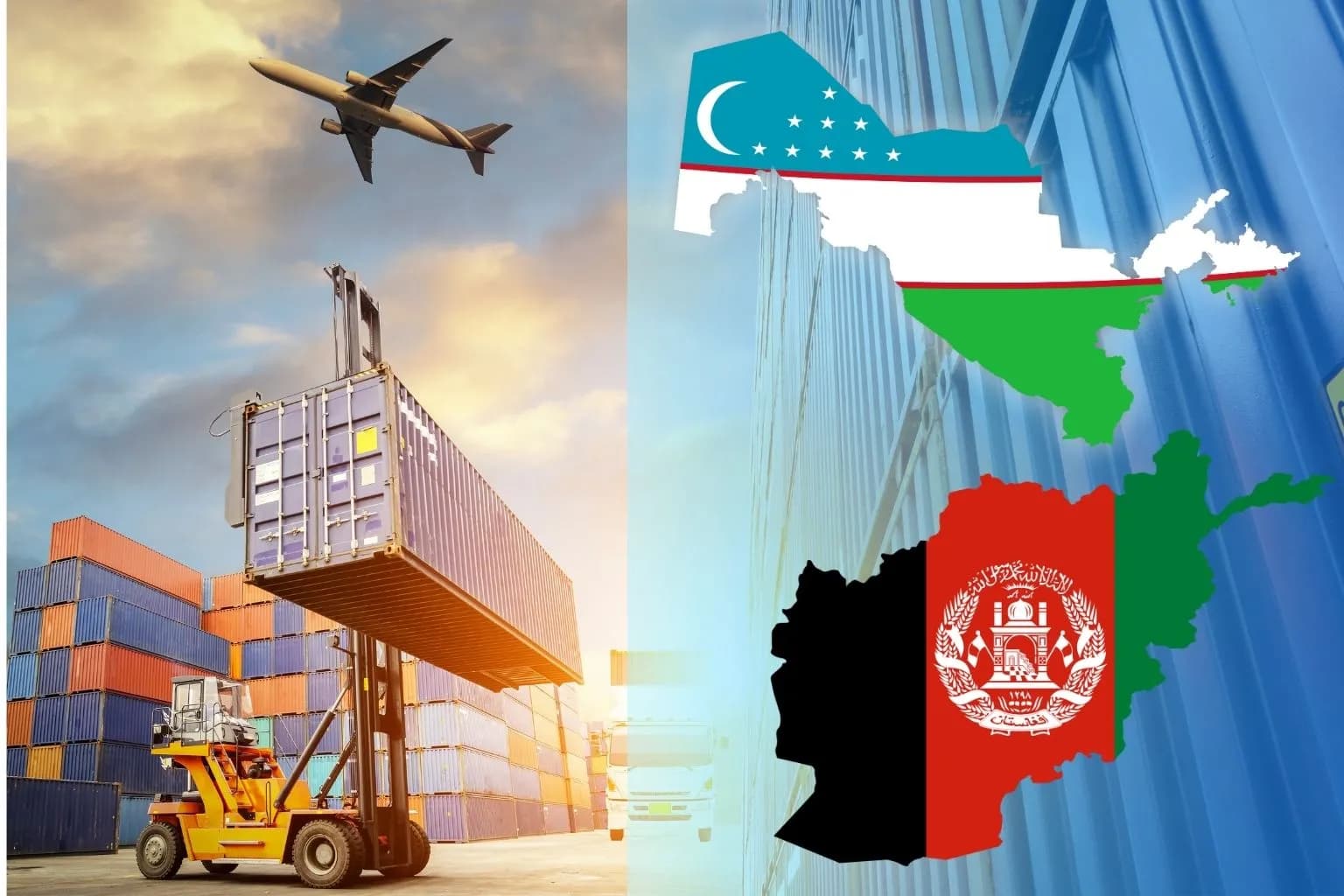
Uzbekistan’s foreign policy has undergone a major shift since 2016, moving from the isolation and regional tensions of the Karimov era to a cooperative “good neighborliness” approach under President Mirziyoyev. Significant progress has been made in resolving border disputes with Kyrgyzstan and Tajikistan, advancing shared water-resource management, revitalizing regional dialogue platforms, and engaging pragmatically with Taliban-ruled Afghanistan to support security and connectivity. While challenges such as reliance on political leadership, limited institutional capacity, and external geopolitical pressures persist, Uzbekistan’s new strategy has strengthened regional stability and positioned the country as a driving force for cooperation and integration in Central Asia.
Ukraine and France signed a new bilateral defense agreement in Paris to boost Ukraine’s air-defense capabilities ahead of anticipated Russian attacks this winter. The deal includes future supplies of Rafale fighter jets and SAMP/T air-defense systems, as well as cooperation on maintenance and training. France is working to speed up delivery timelines by using its own reserves. This agreement builds on earlier security cooperation between the two countries and reinforces France’s role as a key partner in Ukraine’s defense against Russian aggression.