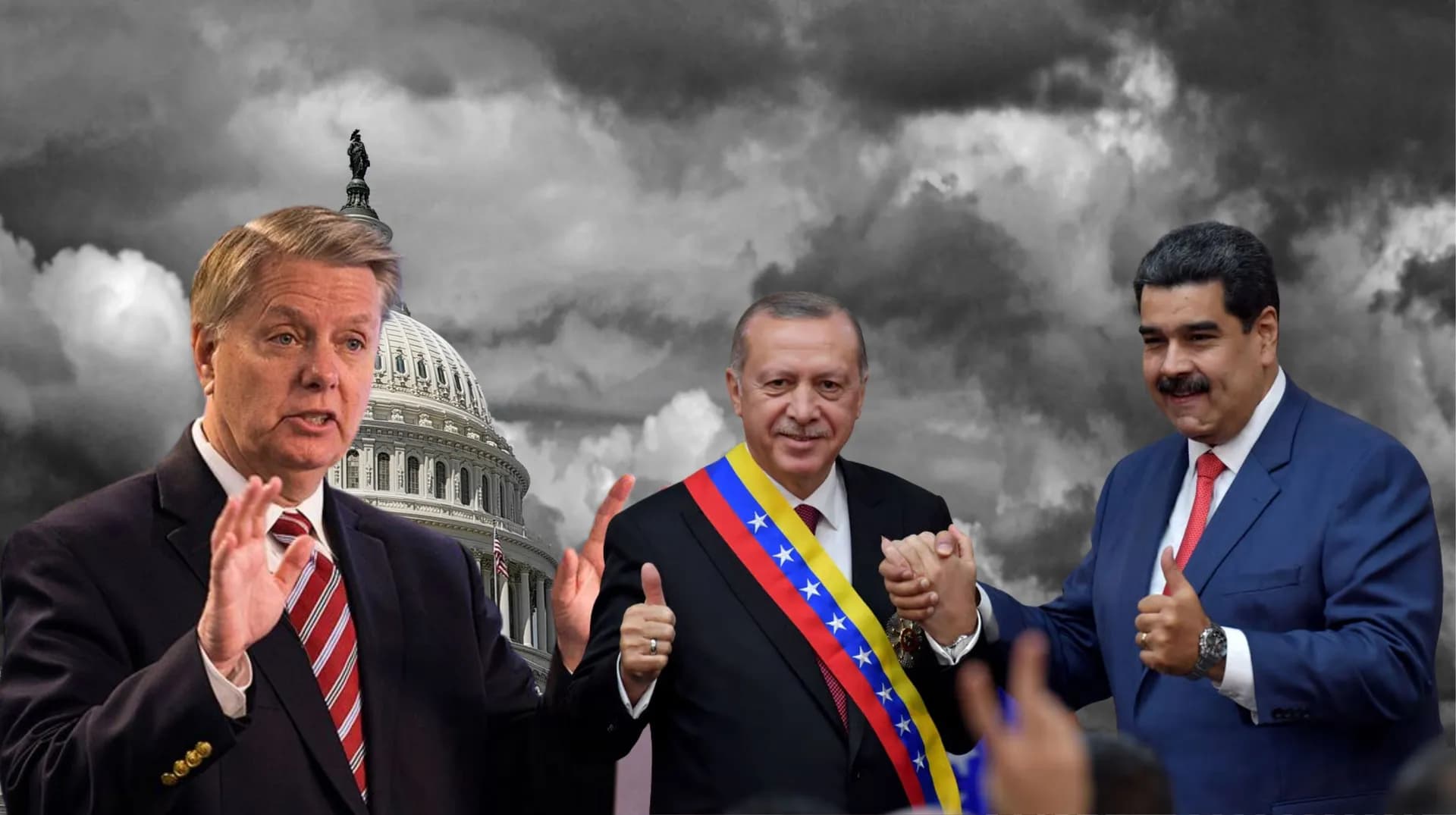
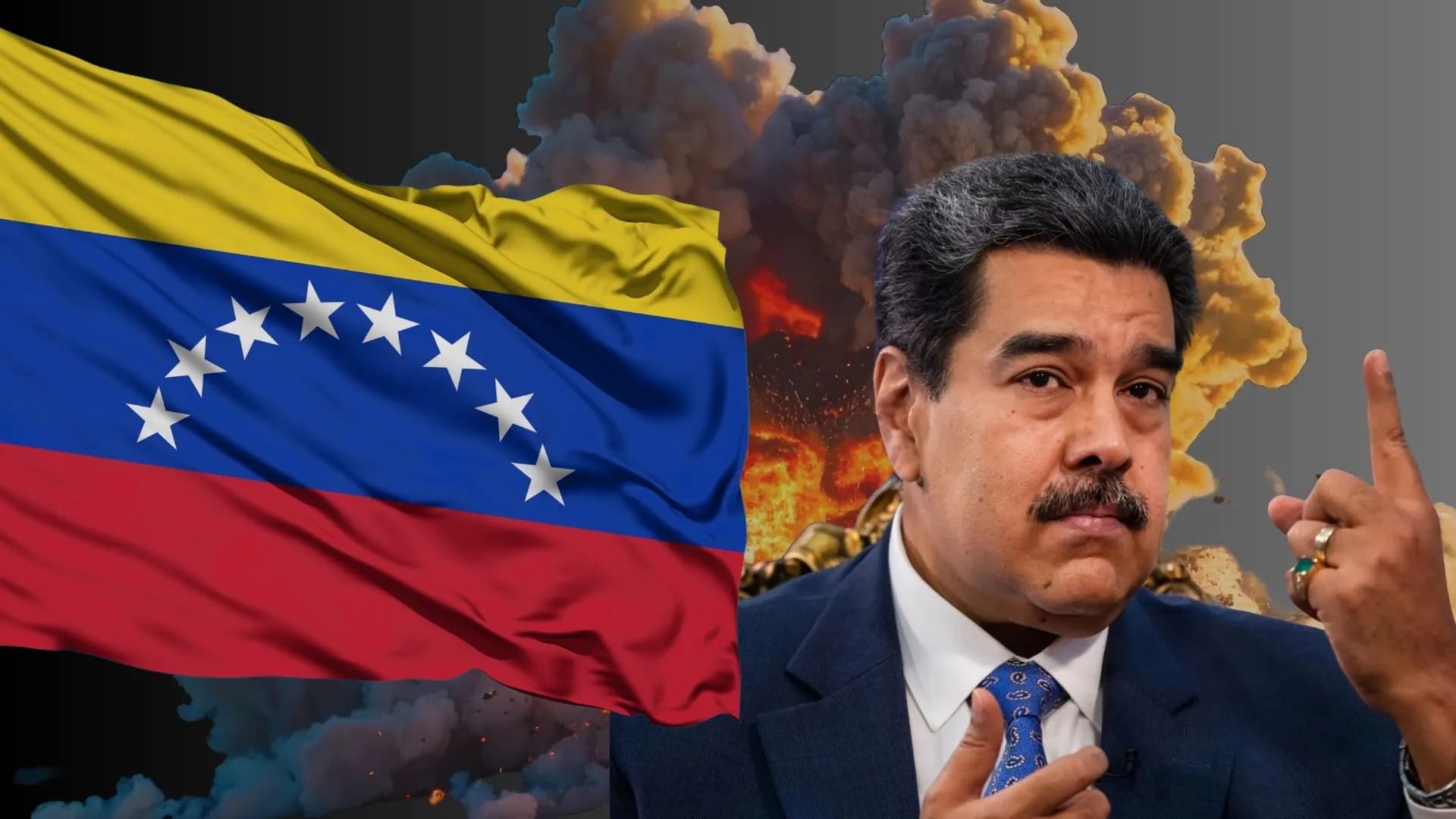
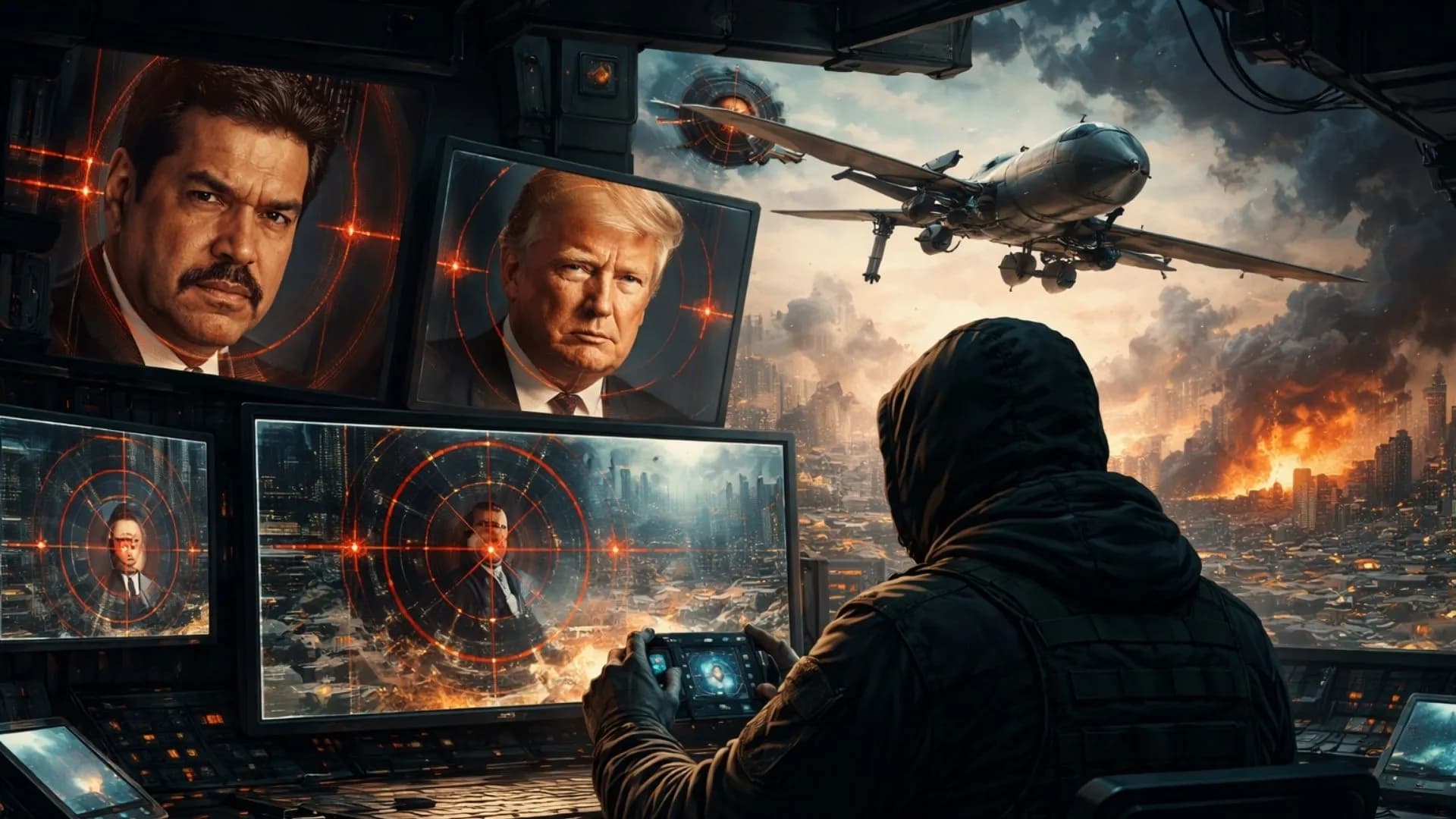
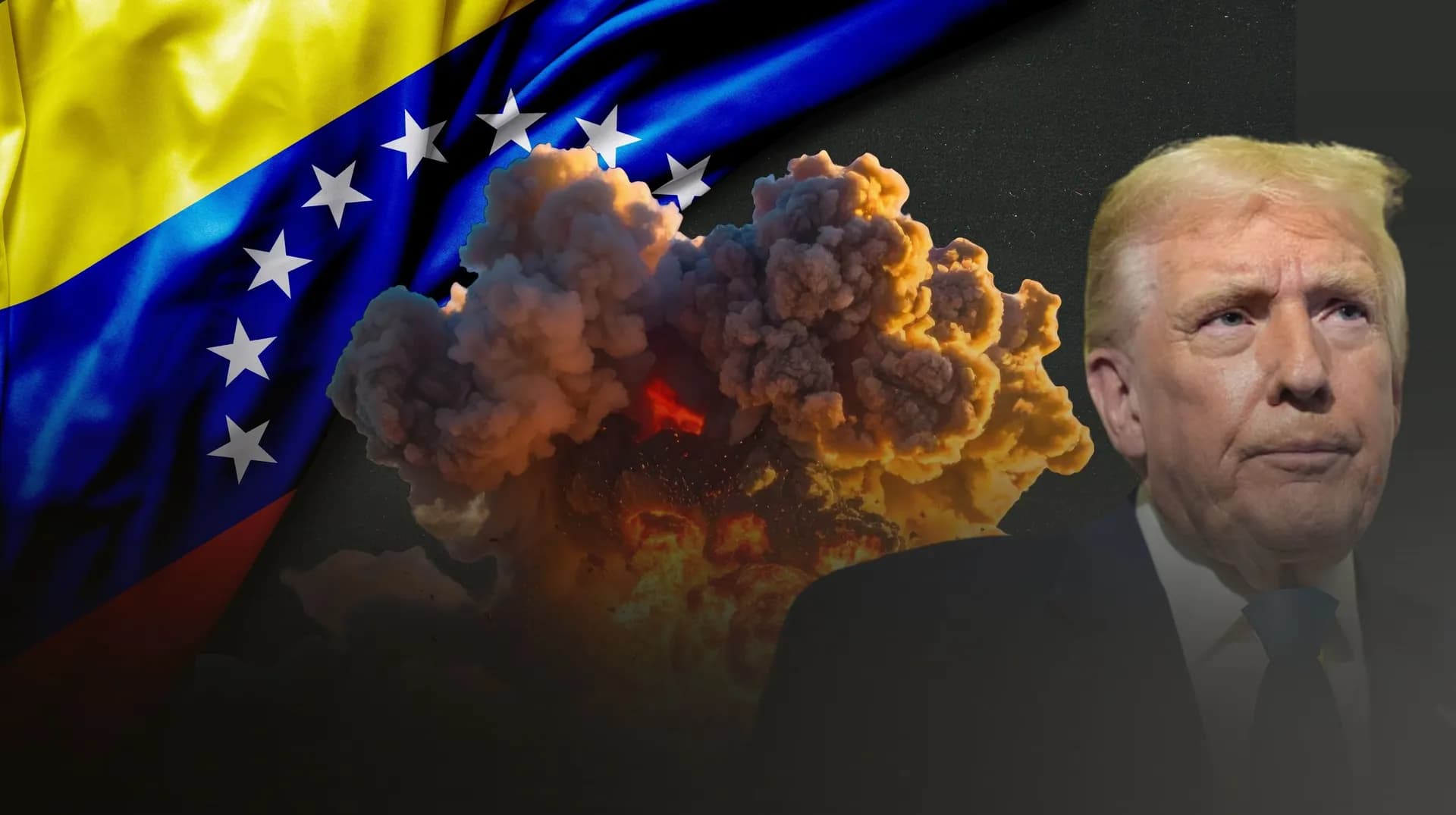
The world is still reeling from the shock of the U.S. operation that saw Venezuelan President Nicolás Maduro taken to New York, when a far more striking scenario surfaced behind the scenes of global politics. According to multiple reports, Maduro was offered a deal just before the operation: step down from power and relocate to Türkiye. The offer was reportedly rejected. The revelation has reignited debate over the scale of secret contacts between Washington and Caracas—and Türkiye’s growing weight in global power calculations.
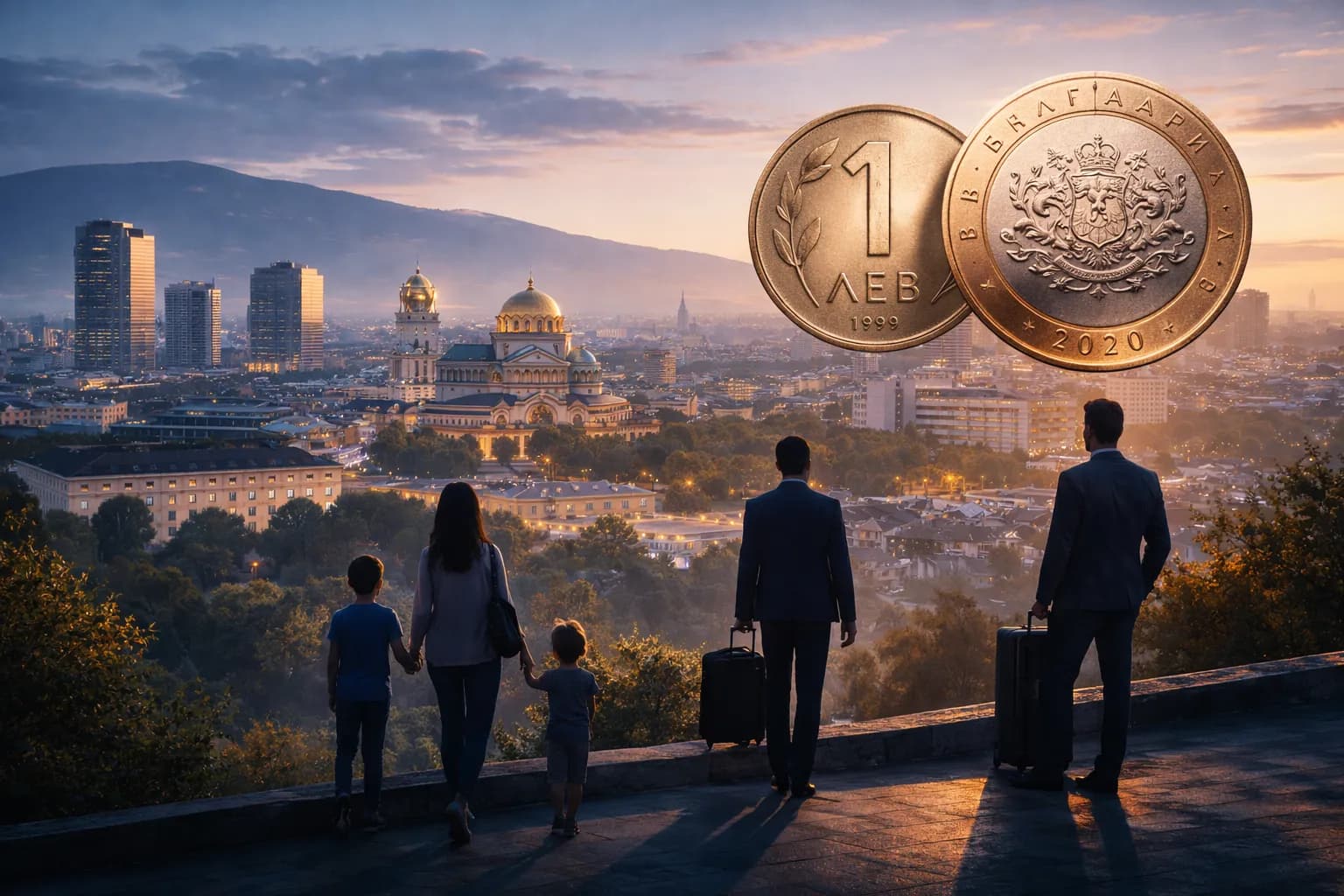
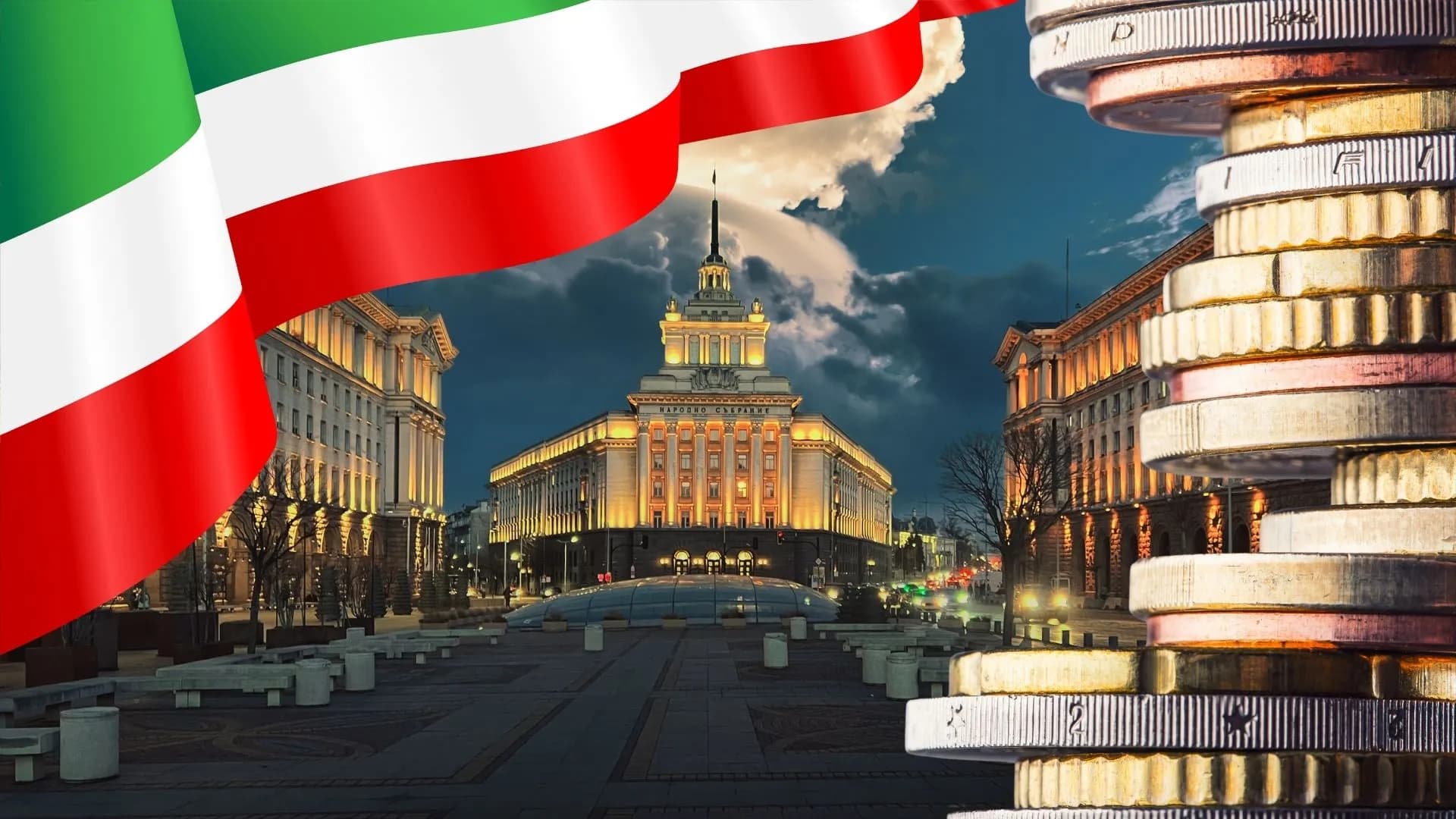
Bulgaria’s euro adoption in 2026 is not a sudden leap but the result of decades of monetary discipline, low debt, and convergence. Inflation and political instability stem from global and structural factors, not the euro, which merely reveals realities already in place.
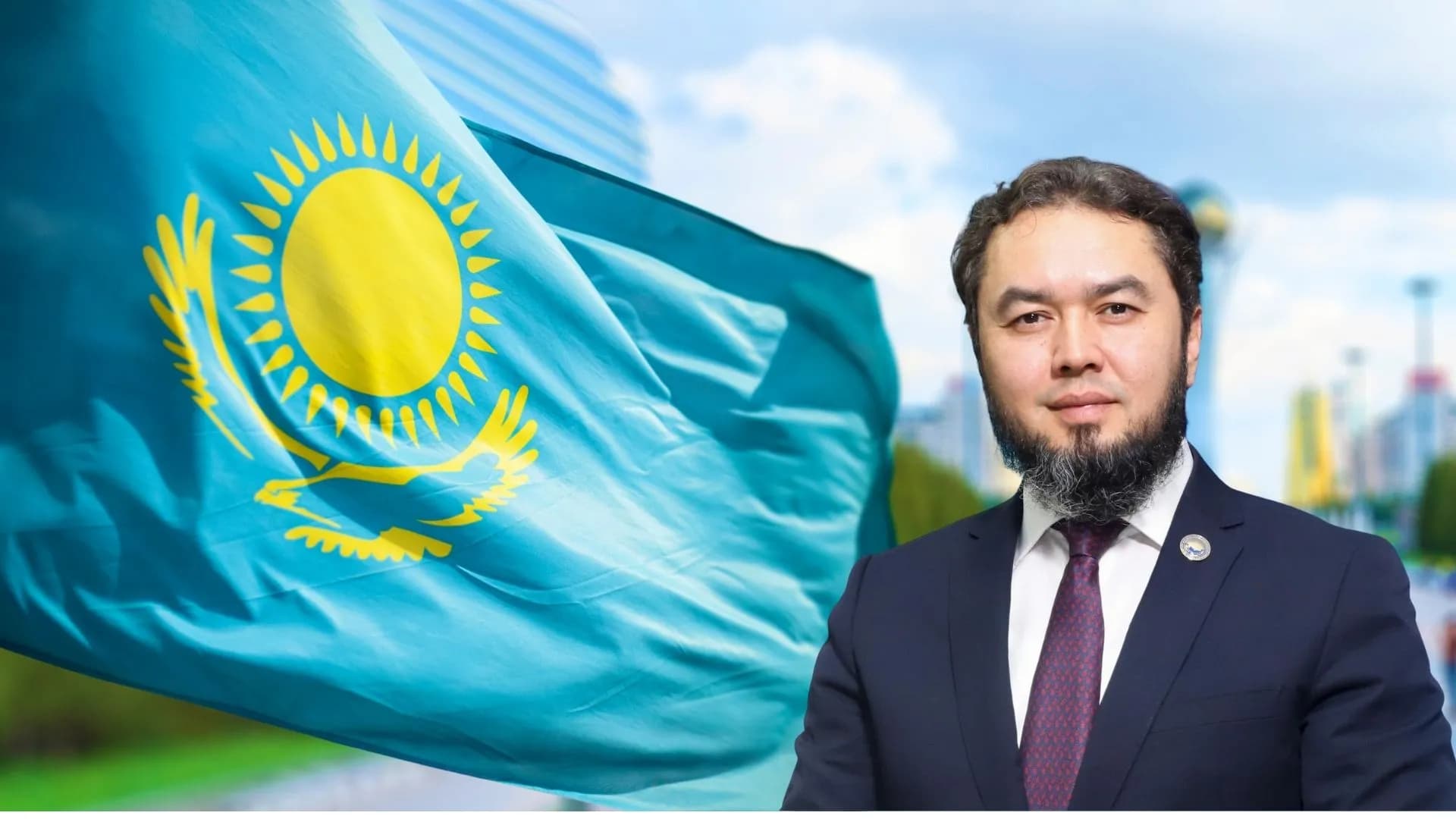
For me, as a member of the Assembly of the People of Kazakhstan, the emphases directly related to strengthening social cohesion, civic responsibility, and a culture of unity are of particular importance.
A reported U.S. operation to capture Venezuela’s President Nicolás Maduro marks a major break with international norms, challenging sovereignty and presidential immunity. Rooted in long-standing ideological, energy, and geopolitical tensions, the move exposed the fragility of Venezuela’s centralized system and risks regional instability. The muted global response suggests a shift toward raw power politics and spheres of influence over established rules.
The article argues that contemporary conflicts are increasingly defined by the “personalization of war,” where violence shifts from states and structures to targeted individuals. Using Venezuela and the Iran–Israel conflict as case studies, it shows how complex geopolitical, economic, and strategic dynamics are reduced to the actions of specific leaders or figures, thereby legitimizing interventions, assassinations, and sovereignty violations as moral necessities. This individualization of violence erodes traditional legal and ethical frameworks of war, blurs the line between war and peace, and transforms political conflict into a permanent global manhunt. Ultimately, the article warns that replacing collective responsibility with individual guilt risks undermining sovereignty, international law, and the very meaning of legitimate violence.
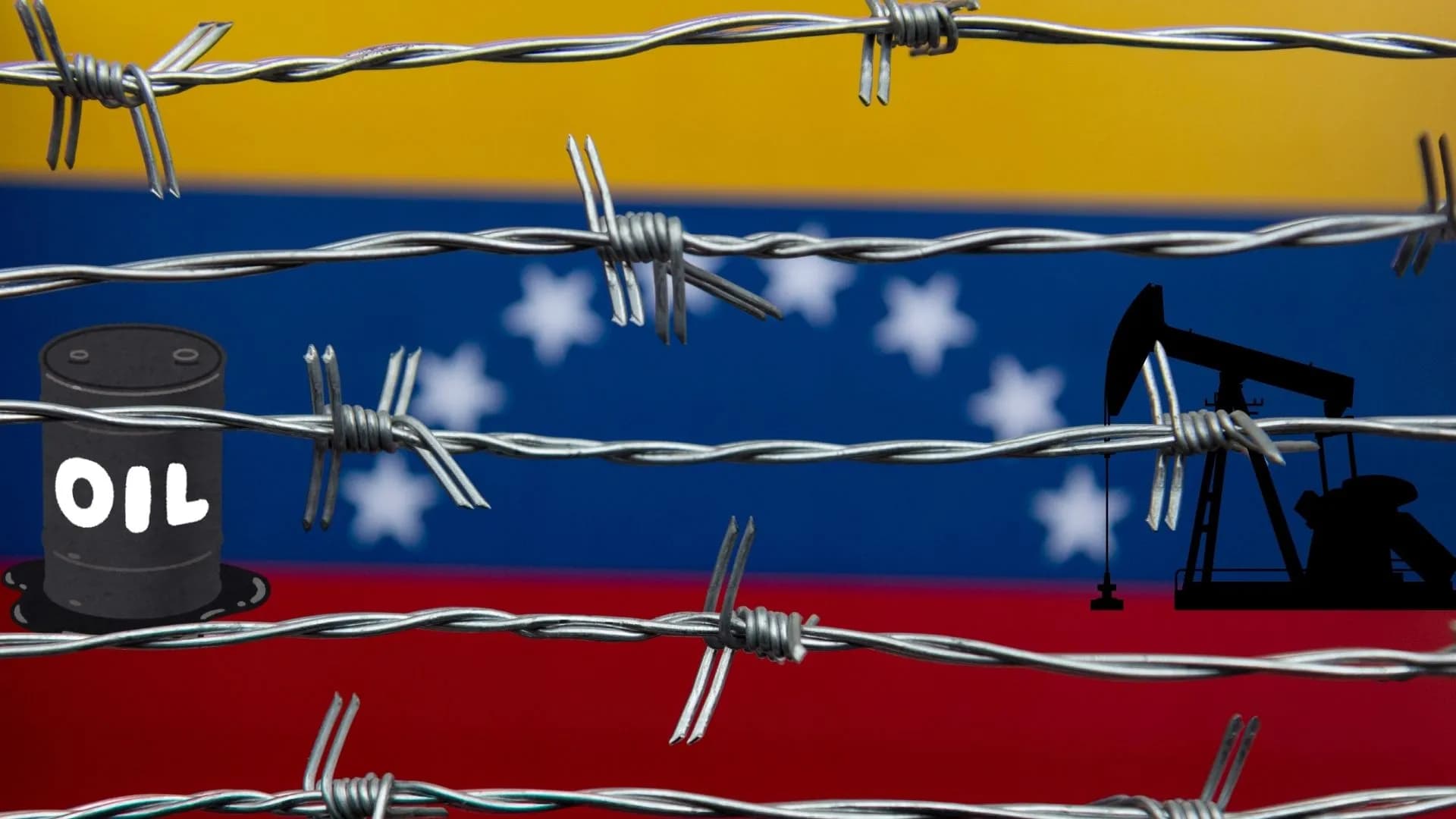
The January 2026 U.S. military intervention in Venezuela, which resulted in the capture of President Nicolás Maduro, is presented as a turning point driven by strategic competition over oil, minerals, and regional influence. Although Washington justified the operation through claims of narco-terrorism and authoritarian governance, the action is widely seen as a violation of international law and Venezuelan sovereignty. Venezuela’s economic collapse, worsened by sanctions and mismanagement, forms the backdrop to the crisis, while regional and global reactions reveal deep concern over renewed U.S. interventionism. The operation’s human, economic, and political costs are significant, and the situation underscores a broader return to resource-centered geopolitics, with Venezuela’s vast energy reserves at the core of a conflict that challenges international legal norms and regional stability.
Bulgaria has officially adopted the euro, becoming the 21st member of the euro area and completing a long-planned step in its EU integration. The move grants Bulgaria greater influence within EU financial decision-making and is seen by Brussels as a milestone for economic stability and integration.
In contemporary political economy, taxation has long constituted the primary mechanism through which states finance public services and maintain institutional stability. However, structural transformations driven by globalization, technological change, and automation have increasingly exposed the limitations of a tax system that relies predominantly on labor and consumption. Growing inequality, the erosion of traditional employment, and declining public trust highlight the need to reassess how modern states generate revenue. This text introduces an alternative framework for public finance that complements taxation with public ownership of productive assets, equitable resource-based taxation, and citizen-oriented income mechanisms. Rather than advocating the abolition of taxes, it emphasizes the necessity of a balanced and sustainable funding model capable of supporting social welfare, economic resilience, and long-term state legitimacy in a rapidly evolving economic landscape.
The United States carried out a military operation in Venezuela overnight, triggering explosions in Caracas and other regions and leading to the alleged capture of President Nicolás Maduro and his wife Cilia Flores, according to statements by U.S. President Donald Trump.
The EUReflect– Mr. Zahid Ali A. meeting emphasized that digital health is a structural requirement of the social state. Integrated, real-time health data networks enable equitable access, effective oversight, preventive governance, and sustainable use of public resources through data-driven healthcare systems.
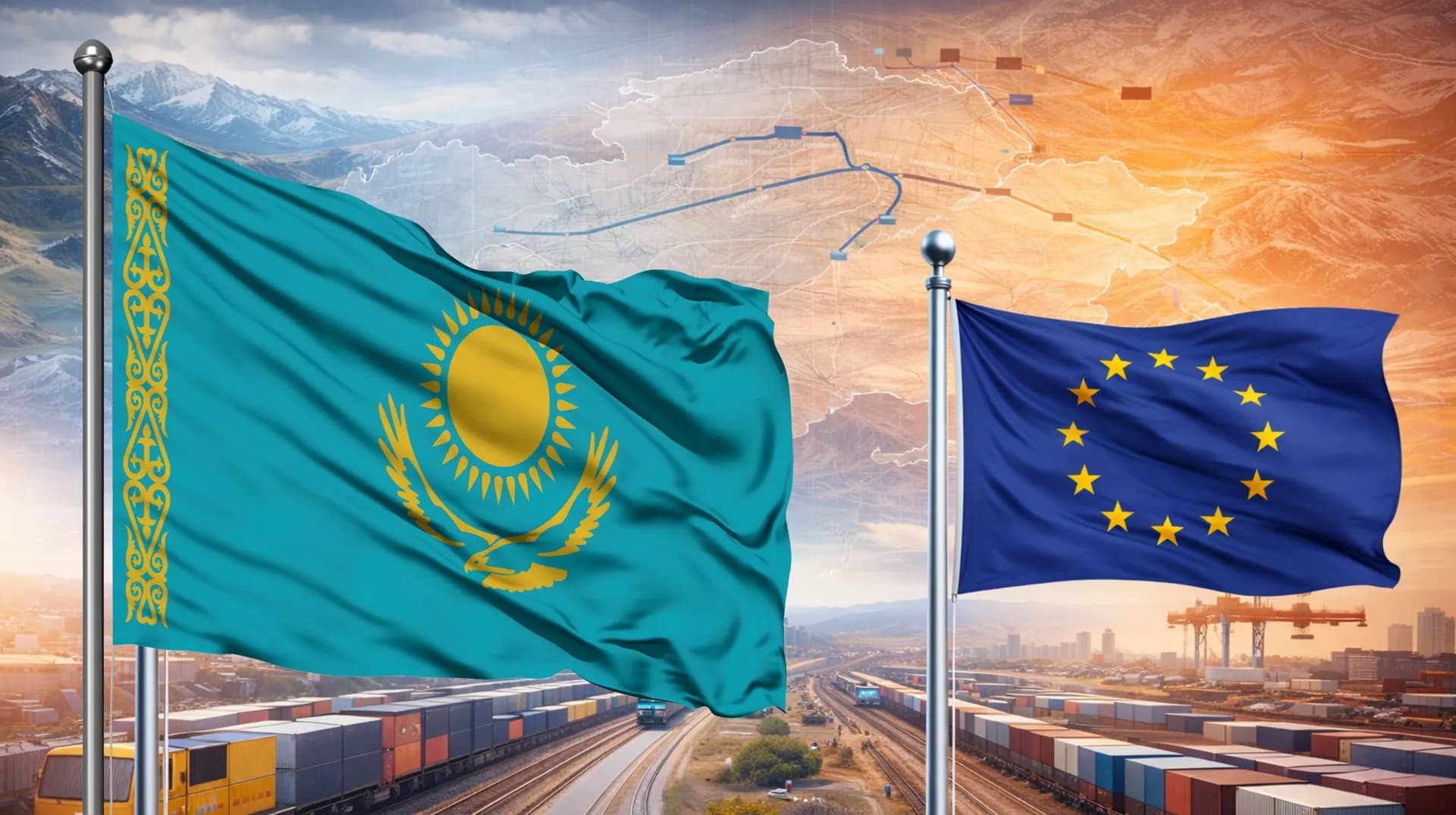
Kazakhstan’s economic reforms are shaped by EU regulatory standards, Chinese Belt and Road infrastructure investments, and an investor-friendly business environment. Together, these elements support diversification, legal certainty, and Kazakhstan’s transformation into a strategic Eurasian logistics and investment hub.
The frontal lobe is the brain’s central system for executive control, decision-making, emotional regulation, and personality. Its proper functioning enables self-regulation, social adaptation, and responsible behavior, while dysfunction may lead to impulsivity, poor judgment, and social instability.
England’s economy suffers from rising living costs, regional inequality, and short-term policies. Solutions require a people-centered economy, local currency systems, investment in innovation, fair data ownership, sustainable public spending, and reforms that prioritize long-term social well-being over short-term profit.
Human behavior often changes in the presence of others. Individuals who appear calm, reserved, or cautious when alone may behave more boldly, emotionally, or even aggressively in crowds. Such transformations are commonly explained through the concept of group psychology, which assumes that individuals lose their personal characteristics and become absorbed into a collective mind. However, the individualistic psychology perspective challenges this assumption by arguing that groups do not possess an independent psychological existence. Instead, what is described as group behavior emerges from changes in individual cognitive, emotional, and perceptual processes within a social context.
From this viewpoint, crowds do not override individual psychology; rather, they alter how individuals perceive responsibility, evaluate risk, interpret social cues, and regulate emotions. This article examines crowd behavior through the lens of individualistic psychology, focusing on how individual mental processes operate differently in collective settings. Drawing on everyday examples from Türkiye, the study aims to explain crowd-related behavioral changes in a clear and accessible manner while maintaining academic rigor.
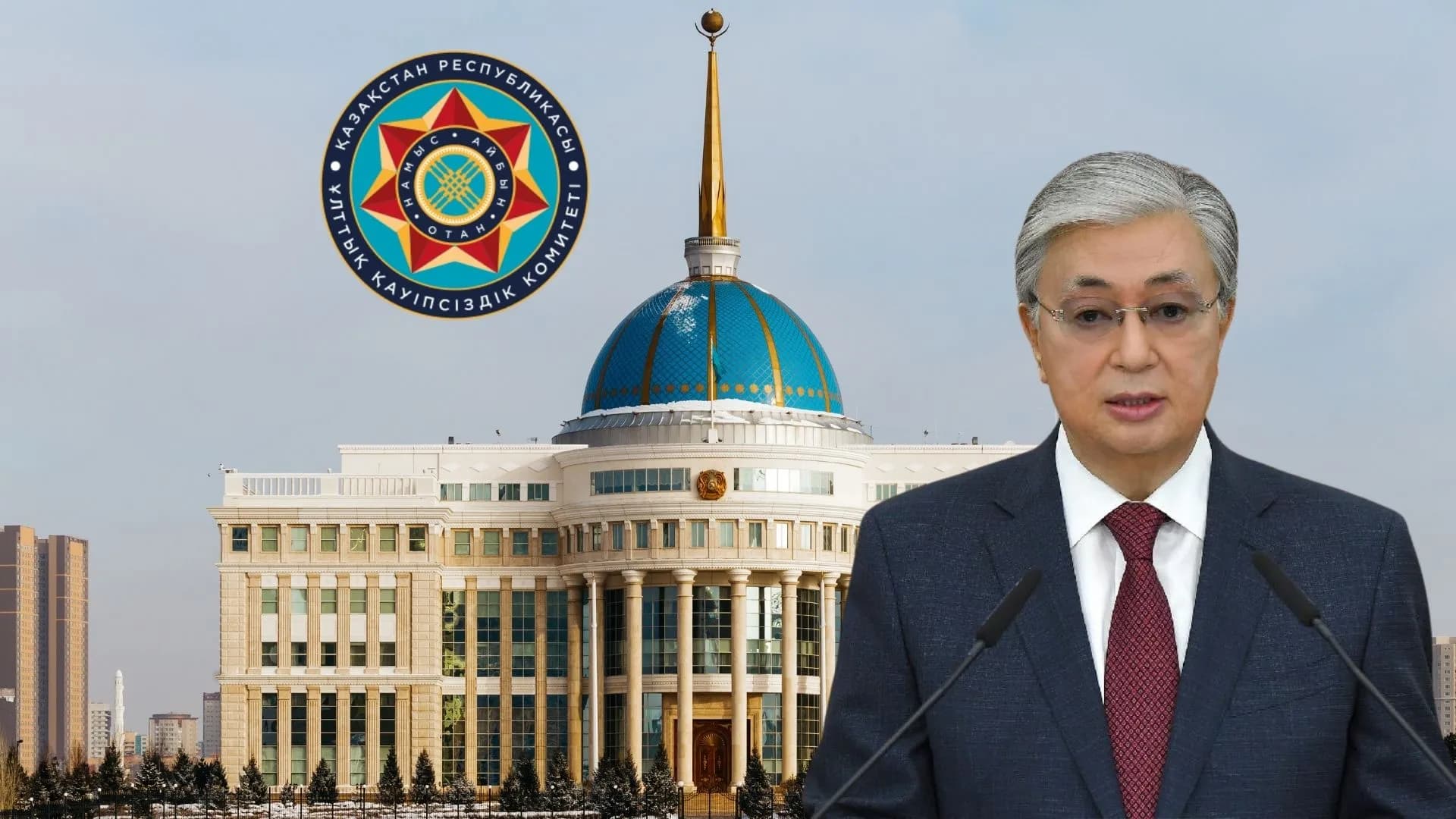
President Kassym-Jomart Tokayev has signed a landmark decree redefining Kazakhstan’s security architecture by expanding the powers of the National Security Committee. The reform centralizes control over digital and critical infrastructure, transfers key oversight functions from civilian bodies to intelligence structures, and mandates rapid legal amendments. Placed under direct presidential supervision, the initiative reflects a strategic shift toward a strong, centralized state model aimed at safeguarding national security, economic stability, and public welfare in an era of growing digital and cyber threats.
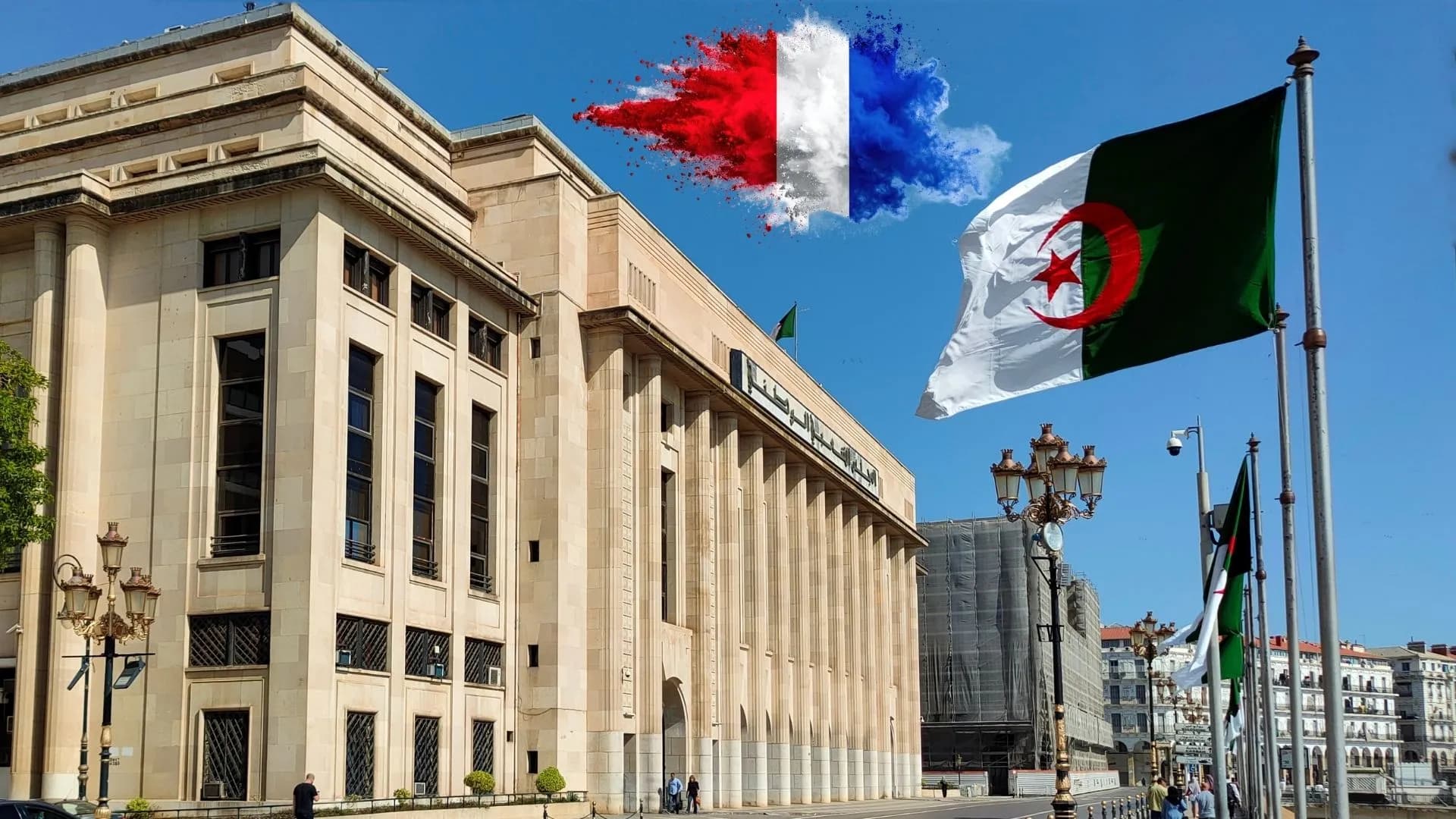
Algeria’s parliament has criminalized the French colonial period, defining it as a state crime and opening the door to compensation claims. France views the move as hostile to dialogue, deepening long-standing tensions over memory, sovereignty, and regional politics.
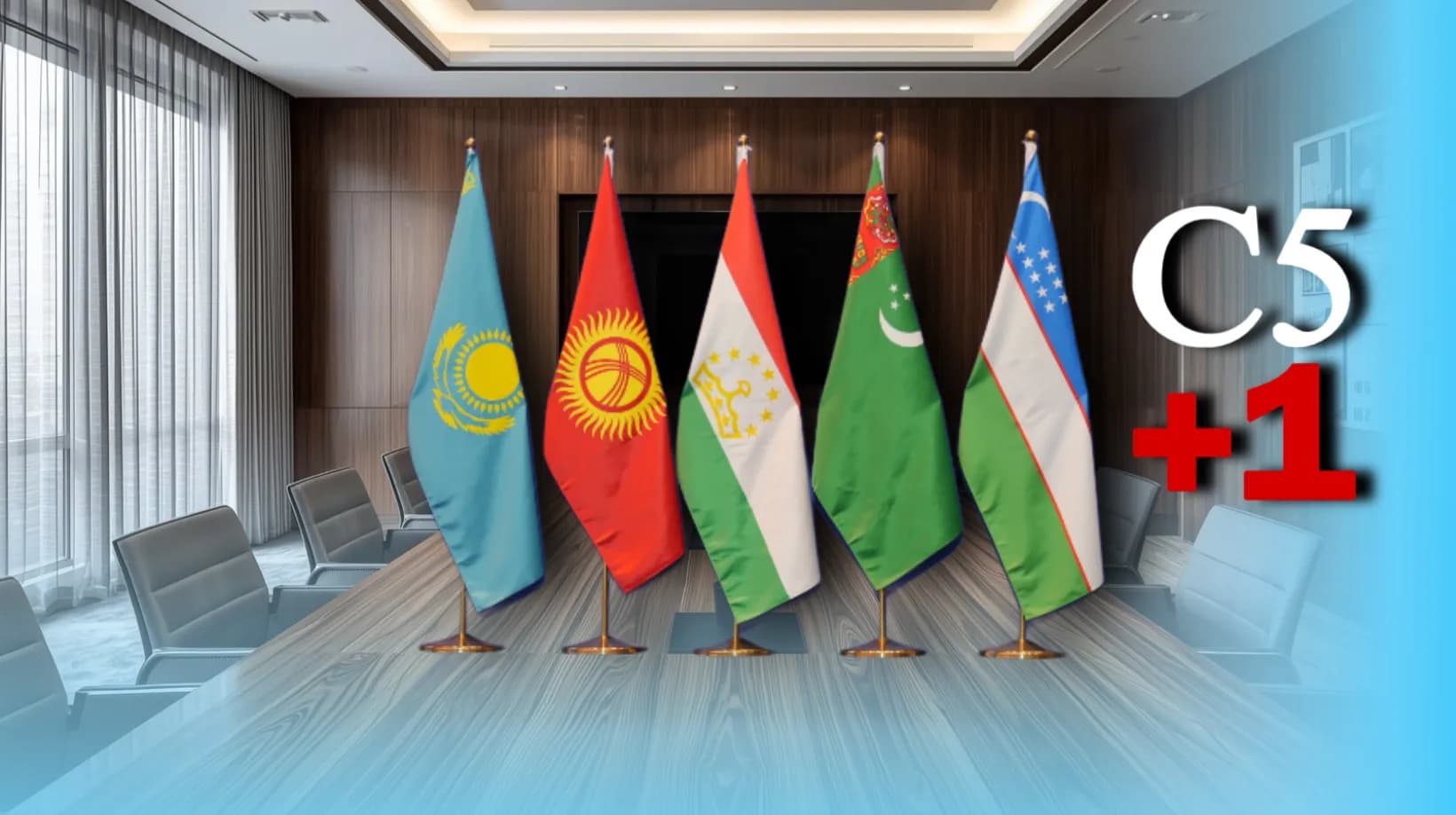
In 2025, Central Asia reshaped its foreign policy through an unprecedented series of “Central Asia Plus (C5+1)” summits with global powers. This diplomacy strengthened multi-vector engagement, advanced regional institutionalization, and positioned the C5 as active, strategic actors in global geopolitics.
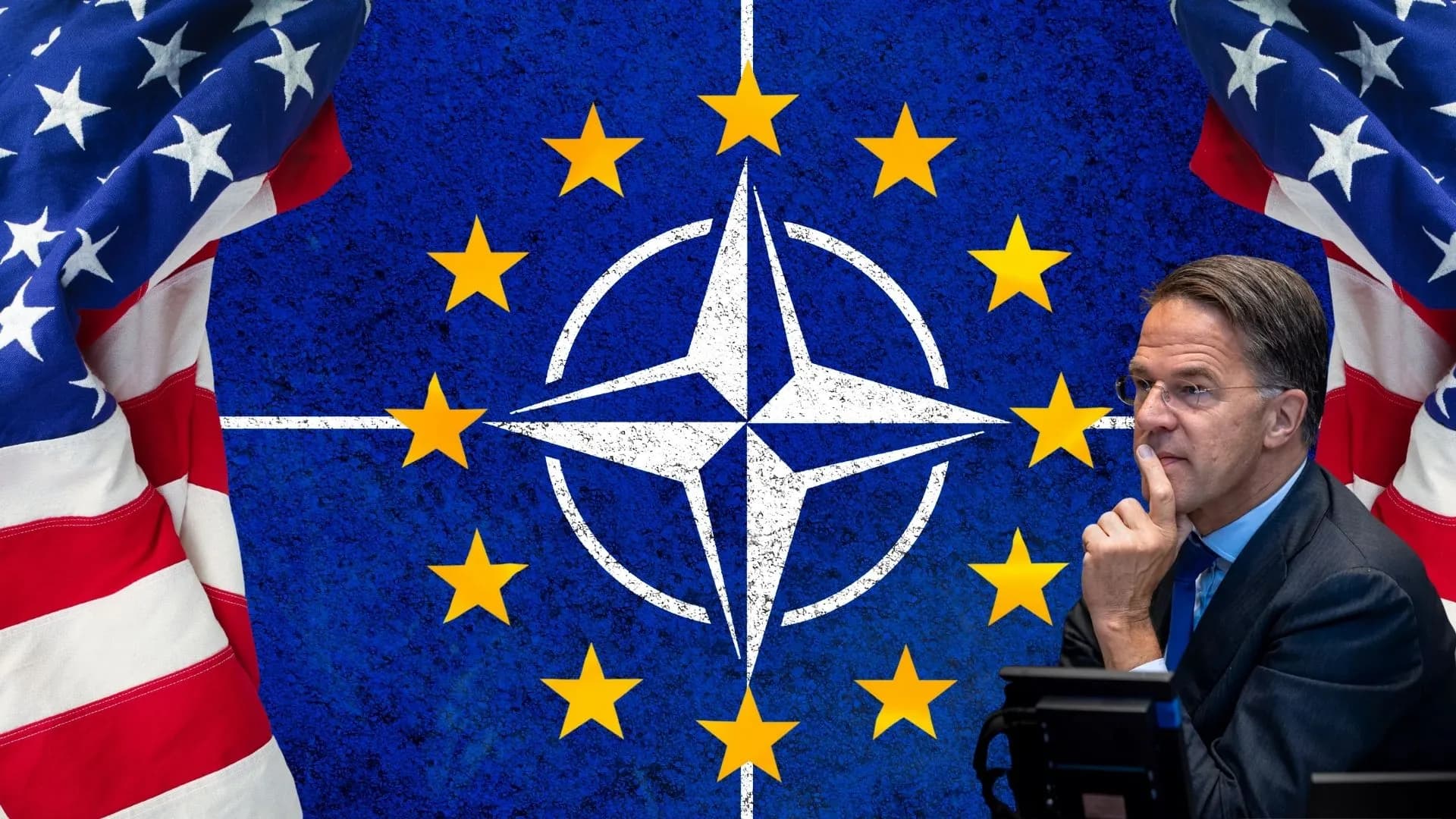
NATO Secretary General Mark Rutte rejected calls for an independent EU army, stressing that European security cannot be ensured without the United States. He argued that Europe should take greater responsibility for defence, but within NATO and the transatlantic framework rather than through separate security structures.
Jean Piaget’s cognitive development theory explains how children actively construct knowledge through schemas, assimilation, accommodation, and equilibration. By outlining developmental stages and their educational implications, the theory shows why learning must align with cognitive readiness and remains central to constructivist education.
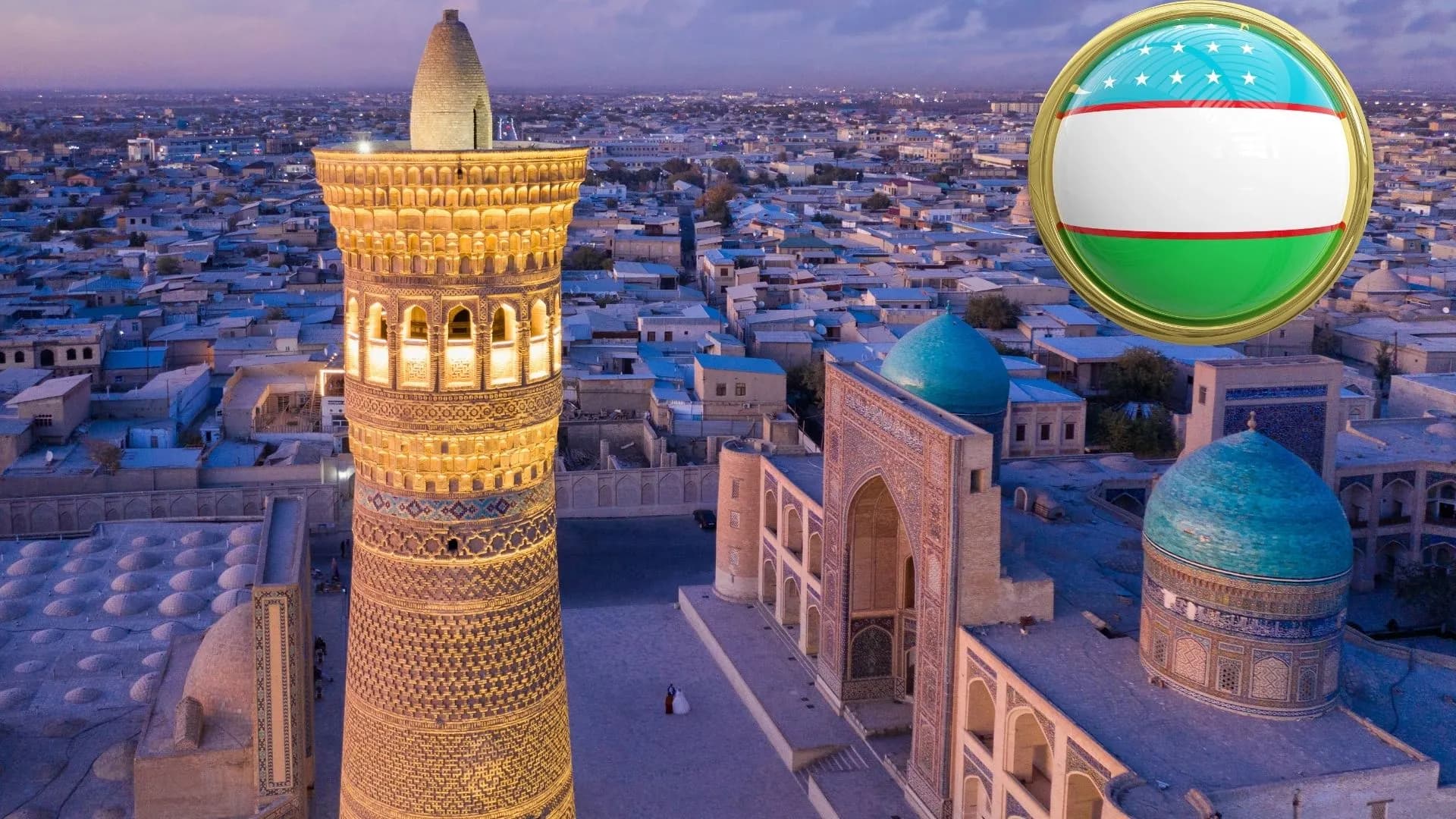
Uzbekistan closed 2025 with historic economic achievements, record GDP and exports, and rising reserves. With ambitious reforms, space and technology goals, green energy investments, and workforce transformation, 2026 is set to mark Uzbekistan’s emergence as a new strategic power in Eurasia.
Kazakhstan’s digitalization strategy frames artificial intelligence as an existential necessity rather than a policy choice. The text argues that delays weaken sovereignty, deepen dependency, and erode state capacity, calling for decisive reforms, centralized governance, and rapid AI integration to secure national survival and long-term stability.
Kazakhstan is increasingly positioned as a strategic economic hub in Eurasia through a development model centered on fifteen Special Economic Zones. Located at the core of the China–Europe overland trade corridors, the country aims to transform its role from a transit territory into a center of production, investment, and logistics. These Special Economic Zones are thematically designed to support industry, petrochemicals, logistics, technology, tourism, and processing sectors. Among them, the TURAN Special Economic Zone stands out due to its large territorial scale, multi-sectoral structure, and comprehensive incentive framework. Established in the Turkistan Region, TURAN SEZ combines tourism development with manufacturing, food processing, textiles, and logistics. Expanded activity classifications, long-term tax exemptions, and free land allocation have strengthened investor interest. Between 2019 and 2025, the zone attracted significant investment volumes, generated employment, and completed a large number of projects. Overall, current trends indicate that Kazakhstan is emerging as one of the most promising economic actors in the Eurasian region, with Special Economic Zones serving as the backbone of this transformation.